

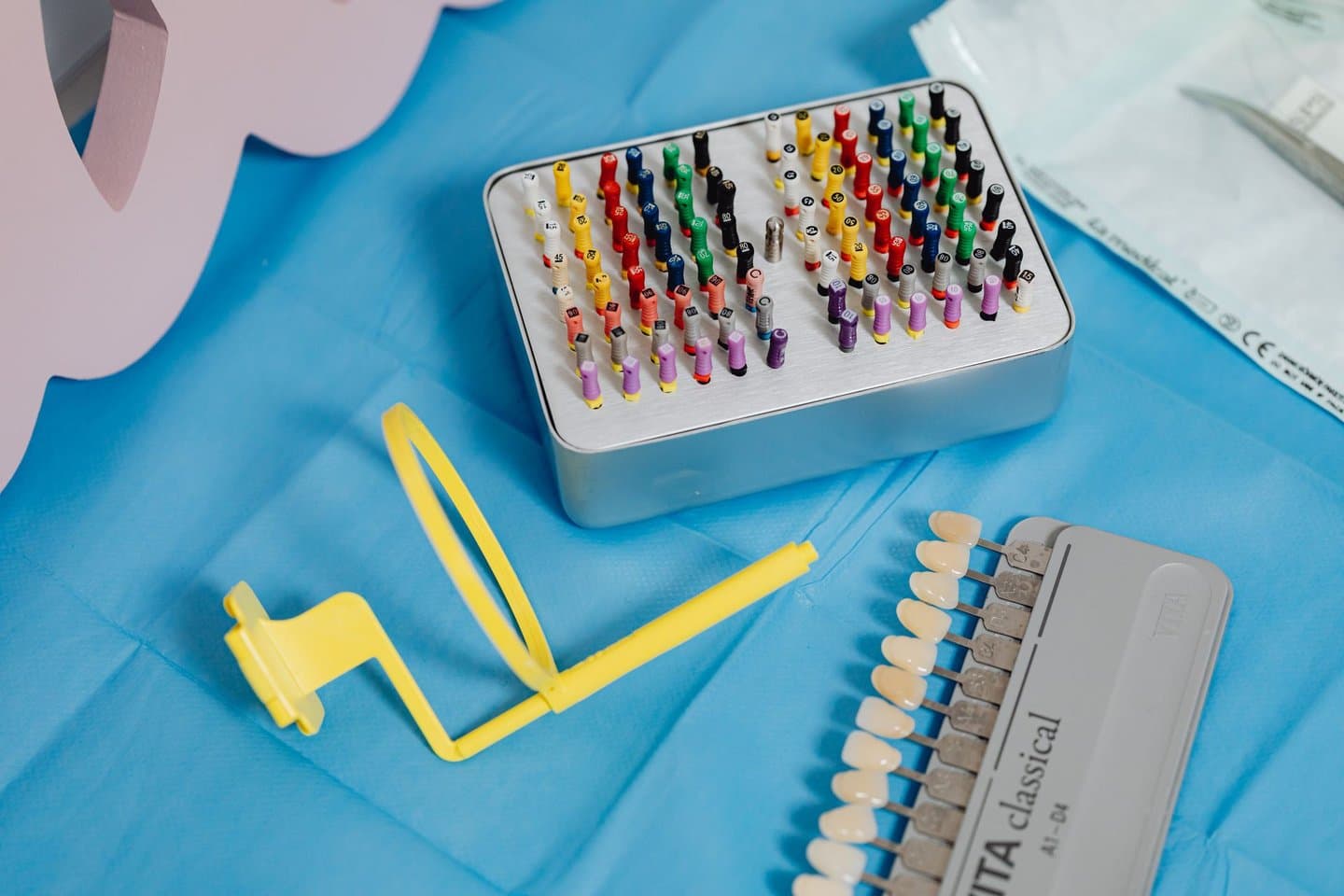
The first day and night after a root canal is the period my patients worry about most — it isn't always easy to tell whether the sensitivity you're feeling is a normal part of healing or a sign of a problem.
In this article, I explain what to generally expect in the first 48 hours after root canal treatment, the typical course of swelling and sensitivity, nutrition and oral care tips, factors that affect healing, and when to contact your dentist without delay. An assessment specific to your situation can only be made after an examination.
Key Takeaways
- Mild swelling and sensitivity in the first 24-48 hours are a normal part of healing and generally ease within 2-5 days.
- A cold compress (ice pack), applied for 15-20 minutes a few times a day, can help reduce swelling.
- If you have a temporary filling, avoid chewing on the treated side and stick to soft foods.
- Smoking isn't recommended for at least a week after treatment, as it can slow down healing.
- Contact your dentist without delay for pain lasting longer than a week or worsening, a high fever, or noticeable swelling.
What Happens During Root Canal Treatment? (A Quick Reminder)
To better understand the first 48 hours, it helps to briefly recall the procedure itself. Root canal treatment is the cleaning of inflamed or damaged nerve tissue inside the tooth, followed by disinfecting and filling the emptied canals. The goal is to remove the source of the infection while preserving the tooth itself.
Depending on the tooth's condition, the procedure can be completed in a single session or may require more than one. In particular, for cases with a more advanced infection, the canal may be fully cleaned and closed with a temporary medication in the first session, with the permanent filling done in a second session. How many sessions are needed becomes clear during the examination and treatment.
What Happens in the First 24 Hours?
As the local anesthesia used during the procedure wears off, you may notice mild pressure or sensitivity in and around the treated tooth. This is a natural result of the tissue sensitization that occurs during the procedure, and an expected part of healing after a root canal.
After the canal is completed, the tooth is usually closed with a temporary filling; the permanent filling or crown is placed at a later appointment. Until the temporary filling has fully set, avoid chewing hard foods on that side — otherwise the temporary filling may wear down early or come loose.
Some patients get the sense that the tooth feels "a bit higher" when biting down. This is a common perception caused by temporary sensitivity in the surrounding tissue; however, if it lasts more than a few days or is uncomfortable, it's a good idea to let your dentist know so they can assess whether the filling needs a small adjustment.
When Does the Swelling and Sensitivity Go Away?
Swelling generally begins within the first 24-48 hours, starts to ease within 2-5 days, and in most cases fully resolves by day 7. This timeline can vary depending on the person, the location of the treated tooth, and how severe the initial infection was.
To reduce swelling in the first 48 hours, a cold compress (ice pack or cold gel) can be applied a few times a day for 15-20 minutes each time. Applying the compress over a thin cloth rather than directly on the skin prevents skin irritation. Any pain relievers your dentist prescribes should be used at the recommended dose and frequency; increasing the dose on your own isn't recommended.
Some patients notice sensitivity more prominently when biting or chewing; using the treated tooth as little as possible during this period makes healing easier.
What Should You Watch for With Eating?
If you have a temporary filling, it's best to stick to soft foods and avoid chewing on the treated side for the first 24-48 hours. After a permanent filling or crown, you can generally return to your normal diet.
Soft foods like yogurt, purees, boiled vegetables, eggs, and oatmeal are easy to eat during this period. You may notice temporary sensitivity to very hot or very cold food and drinks, so lukewarm foods can be a better choice.
Drinking plenty of water and eating a balanced diet supports overall healing. Alcohol is also not recommended in the first few days, due to its potential interaction with medications and its potential to slow healing.
Oral Care: Brushing and Flossing
It's important not to skip oral care after a root canal. You can brush and floss your other teeth as usual; however, being gentle when brushing around the treated tooth and its temporary filling helps prevent damage to the filling.
Using a soft-bristled brush instead of a hard one is a more comfortable option for sensitive tissue during this period. If your dentist recommends it, rinsing with mild salt water can also support healing.
General Information About Using Pain Relievers
For the mild to moderate sensitivity felt after a root canal, the pain relievers your dentist recommends can be used. What matters is using the medication at the recommended dose and frequency, not increasing the dose on your own, and not combining different medications without consulting your dentist.
If the pain doesn't ease despite using the recommended medication, or worsens over time, it's important to let your dentist know without waiting — this doesn't necessarily mean the medication isn't working; it may be a sign that the underlying situation needs to be reassessed.
Why Is a Root Canal Preferred Over Extraction?
For an infected or damaged tooth, the question "wouldn't it be easier to just pull it?" sometimes comes to mind. But keeping your natural tooth whenever possible is generally the more advantageous option in the long run.
A natural tooth is connected to the jawbone through its own root and distributes chewing force in coordination with neighboring teeth. When a tooth is extracted, the gap needs to be filled with a method like an implant, bridge, or denture — which means an additional treatment process. Root canal treatment, when the tooth structure is sound enough, is a way to preserve the tooth's function without needing these additional steps.
Of course, not every tooth is in a condition that can be saved with a root canal; in some cases where the tooth structure has weakened too much, extraction may be the more suitable option. This decision is made together based on the tooth's condition during the examination.
What Should I Do If the Temporary Filling Falls Out or Breaks?
Temporary fillings are made from less durable material than permanent fillings, so they can, rarely, crack or partially come out early on. There's no need to panic if this happens, but it's important to let your dentist know without delay — because an exposed canal becomes vulnerable to bacteria from the outside environment.
If the filling comes out completely, try to keep the area as clean as possible and avoid chewing on that side; but don't try to cover it yourself with a home remedy. You'll need to schedule a check-up appointment as soon as possible to have the filling replaced.
How Do Smoking and Alcohol Affect Healing?
Smoking can slow down the healing process after a root canal and increase the risk of complications. The chemicals in cigarette smoke can reduce oxygen flow to the treated area and delay tissue healing. For this reason, it's recommended not to smoke for at least a week after root canal treatment.
Alcohol consumption should similarly be limited in the first few days, since it can both interact with medications and potentially slow overall healing. Even if these two habits aren't given up permanently, reducing them temporarily during healing can make a difference.
Why Does Healing Take Longer for Some Patients?
Healing time isn't the same for everyone. Whether the treated tooth has a single canal or multiple canals (such as a molar) can affect the complexity of the procedure and, in turn, the healing time.
The severity of the existing infection before treatment is another factor — a more advanced infection can lead to a tissue response that takes a bit longer to heal. General health, immune system status, and habits like smoking can also affect the course of the process.
Because of this variability, it's more accurate to think in terms of a general range (a few days to about a week) rather than giving a single number for "normal" healing time.
For patients with a teeth-grinding or clenching habit (bruxism), sensitivity may last a bit longer due to the extra load on the treated tooth. If you think you have this habit, it's helpful to mention it to your dentist at your check-up appointment.
When Can I Return to Work or School?
Most patients can return to their daily routine the same day or the day after root canal treatment. Since the procedure is done under local anesthesia, once the anesthesia wears off (usually within a few hours), there's no significant restriction on everyday functions like talking and eating.
That said, due to the sensitivity felt in the treated tooth, it's recommended to avoid activities requiring heavy physical effort for the first day and to rest instead. If you're taking pain relievers, it's also worth keeping their possible effects in mind for work requiring intense concentration.
The 48-Hour Timeline at a Glance
To summarize the process:
| Time | What to Expect |
|---|---|
| 0-24 hours | Anesthesia wears off; mild pressure or sensitivity may begin. |
| 24-48 hours | Swelling may be at its most noticeable; a cold compress can help. |
| 2-5 days | Swelling and sensitivity gradually decrease. |
| Day 7 | Swelling has typically resolved completely. |
When Should You Contact Your Dentist?
If you experience any of the following, I recommend reaching out without delay:
- Pain lasting longer than a week, or pain that worsens over time
- Swelling that increases or spreads instead of decreasing
- Fever, fatigue, or other signs of a general infection
- A bad taste or discharge
- Noticeable difficulty opening your mouth or swallowing
- Throbbing pain that worsens at night
Frequently Asked Questions
When is the permanent filling done after a root canal?
This depends on the condition of the tooth and the healing process; it's generally assessed and planned at a check-up appointment following the temporary filling.
Can I exercise after root canal treatment?
Avoiding strenuous physical activity and resting on the first day is generally recommended; you can ask your dentist when you can return to your normal activities.
How long should I use pain relievers?
This depends on your dentist's assessment and prescribed treatment; deciding the duration or dose on your own isn't recommended.
Will my tooth change color after a root canal?
In some cases, the treated tooth may show a slight color change over time; this can be assessed at an examination and, if needed, an aesthetic solution can be discussed.
What should I do if there's light bleeding when brushing near the treated area?
The gum tissue may be a bit irritated from the procedure, so mild sensitivity or, rarely, slight bleeding can occur in the first few days; continuing to brush gently around the area is usually enough. If bleeding continues or increases, let your dentist know.
Why might there be a bad smell or taste after root canal treatment?
Small amounts of debris accumulating under the temporary filling, or the natural tissue response during healing, can cause a temporary change in taste. However, a noticeable and persistent bad smell or taste can be a sign of infection and should be reported to your dentist.
Does a root-canal-treated tooth stay healthy forever?
With proper care and regular check-ups, a root-canal-treated tooth can be used without issues for many years; however, like any tooth, it may need to be reassessed over time. This timeline varies from person to person and depends on the tooth's overall structure.