

Composite Bonding
Correcting small tooth shape imperfections with composite material in a single session.
Dentist Büşra Kayan · Neon Klinik · Kemerburgaz, Eyüpsultan
Composite bonding corrects small chips, cracks, gaps, or asymmetries in tooth shape using tooth-colored composite resin material.
It's an aesthetic method that can be applied with minimal or no removal of tooth structure and completed in a single session.
Suitability is determined during examination based on the size of the area to be corrected and the tooth's overall condition.
Suitability for all treatments above is determined after an in-person examination and clinical assessment.
Who Is It Suitable For?
Composite bonding is considered for teeth with small chips, cracks, gaps, or shape irregularities.
For larger structural loss, options like veneers or crowns may be more suitable; this is evaluated during examination.
How Does It Work?
Composite resin material is prepared on the surface with a special bonding agent before being applied to the tooth.
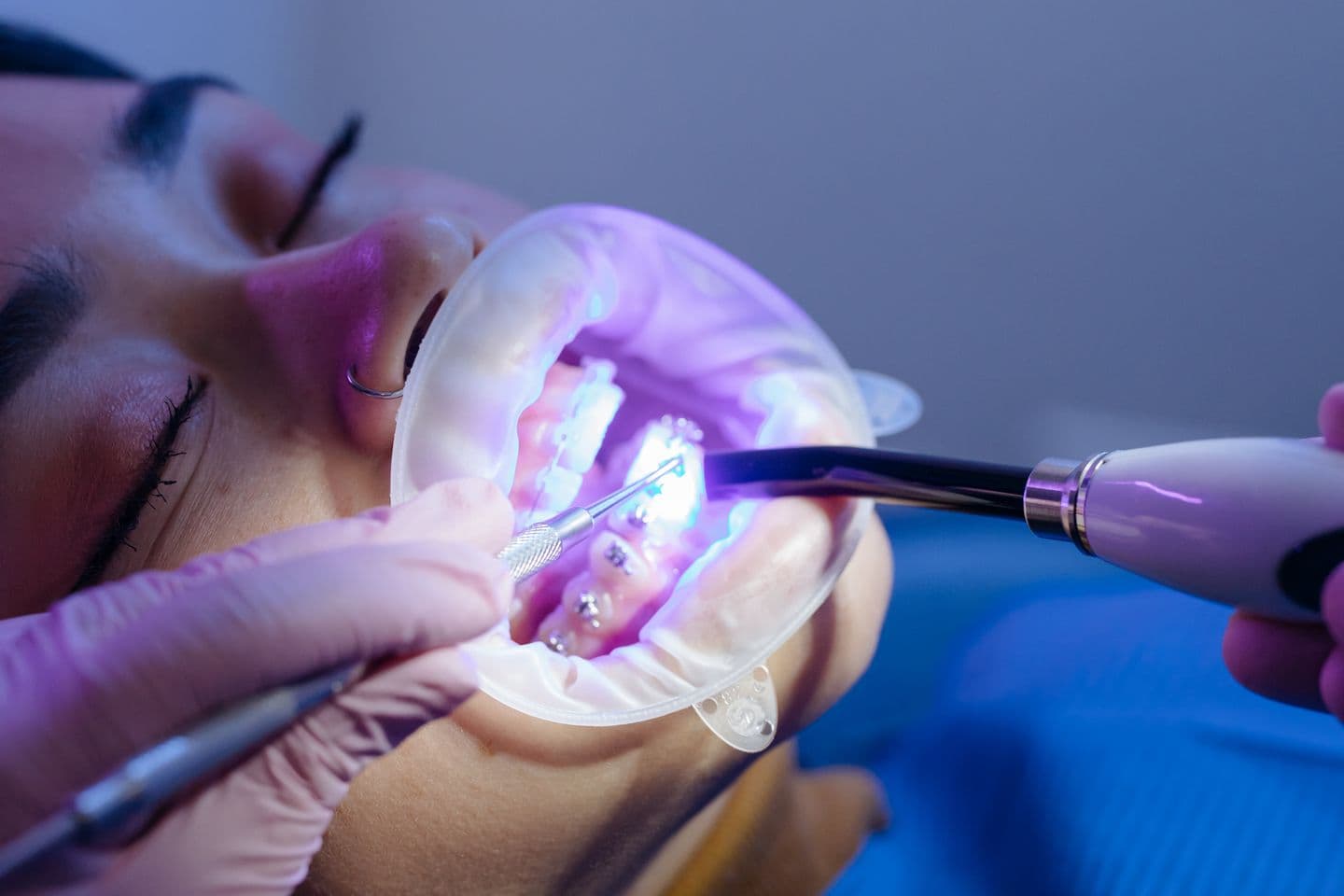
The material is shaped in layers, with each layer hardened with light to match the tooth's natural form.
How Is The Treatment Performed?
The tooth surface is cleaned and prepared.
The composite material is applied in layers to build the desired shape and hardened.
Finally, the surface is shaped and polished.
What Should Be Considered Afterward?
Mild sensitivity may occur in the first few days.
Avoiding biting hard objects and maintaining regular oral care help extend the bonding's lifespan.
Frequently Asked Questions
About This TreatmentIs bonding permanent?
Permanence depends on usage habits and oral care; it may need to be renewed over time.
Is bonding painful?
Since little or no tooth structure is removed, the procedure is generally comfortable.
Does the color of bonding change over time?
Composite material may show slight discoloration over time; regular oral care is recommended.
What's the difference between bonding and veneers?
Bonding is shaped directly on the tooth in a single session, while veneers are manufactured in a lab and bonded on. Which one is suitable is determined during examination.
How many sessions does it take?
It is usually completed in a single session.
Can bonding break?
Excessive force (such as biting hard objects) can cause it to chip; careful use is recommended.
Can anyone get this done?
Suitability is evaluated during examination based on the size of the area to be corrected.
Why isn't pricing listed on the website?
Turkey's Ministry of Health advertising regulations prohibit healthcare providers from advertising prices or promotions. In addition, the amount of material and number of sessions needed vary by person, so a single figure would be misleading. Information specific to you is shared directly after an examination.