


Dentist Büşra Kayan
A personal, attentive approach to your dental health in Kemerburgaz.
Our Treatments
- Dental Filling
- Root Canal Treatment
- Dental Scaling (Tartar Removal)
- Tooth Extraction
- Fixed and Removable Dentures
- Teeth Whitening
- Dental Check-Up
- Digital Smile Analysis
- Zirconia Crowns
- Dental Veneers
- Dental Implants
- Orthodontics (Braces)
- Clear Aligners
- Smile Design
- Gum Treatment
- Composite Bonding
- Wisdom Tooth Extraction
- Pediatric Dentistry
- Tooth Sensitivity Treatment
- Night Guard (Bruxism)
- TMJ Treatment
- Panoramic Dental X-Ray
- Digital Intraoral Scanning
- Gum Aesthetics
Explore Your Teeth
Discover the teeth in your mouth and learn the basics about each one.
All Teeth
Upper Jaw
Upper Right Central Incisor — Tooth No 11
The upper central and lateral incisors are the most visible teeth in a smile, playing a key role in biting and forming speech sounds.
Possible Conditions
- • Cavities (often starting between teeth)
- • Chips or fractures from impact
- • Gum recession
- • Aesthetic concerns related to color or alignment
Upper Right Lateral Incisor — Tooth No 12
The upper central and lateral incisors are the most visible teeth in a smile, playing a key role in biting and forming speech sounds.
Possible Conditions
- • Cavities (often starting between teeth)
- • Chips or fractures from impact
- • Gum recession
- • Aesthetic concerns related to color or alignment
Upper Right Canine — Tooth No 13
The upper canines sit at the corner of the dental arch and play a defining role in how the teeth align against each other during chewing.
Possible Conditions
- • Impaction (relatively common for upper canines)
- • Cavities
- • Wear
Related Treatments
Related Articles
Upper Right First Premolar — Tooth No 14
The upper premolars bridge the incisors and molars; the pits and fissures on their chewing surface make them prone to cavities.
Possible Conditions
- • Cavities
- • Cracks or fractures
- • Sensitivity
Upper Right Second Premolar — Tooth No 15
The upper premolars bridge the incisors and molars; the pits and fissures on their chewing surface make them prone to cavities.
Possible Conditions
- • Cavities
- • Cracks or fractures
- • Sensitivity
Upper Right First Molar — Tooth No 16
The upper molars have a wide chewing surface; their roots can sit close to the maxillary sinus, a proximity that's factored into some treatment planning (for example, before an implant).
Possible Conditions
- • Cavities (one of the most common sites)
- • Tartar buildup
- • Possible need for root canal treatment with advanced decay
- • Gum disease
Related Treatments
Upper Right Second Molar — Tooth No 17
The upper molars have a wide chewing surface; their roots can sit close to the maxillary sinus, a proximity that's factored into some treatment planning (for example, before an implant).
Possible Conditions
- • Cavities (one of the most common sites)
- • Tartar buildup
- • Possible need for root canal treatment with advanced decay
- • Gum disease
Related Treatments
Upper Right Third Molar (Wisdom Tooth) — Tooth No 18
The upper wisdom teeth sit at the very back of the mouth and usually erupt late; partial impaction is fairly common.
Possible Conditions
- • Full or partial impaction
- • Cavities linked to difficulty cleaning
- • Pressure on the neighboring tooth
Related Treatments
Related Articles
Upper Left Central Incisor — Tooth No 21
The upper central and lateral incisors are the most visible teeth in a smile, playing a key role in biting and forming speech sounds.
Possible Conditions
- • Cavities (often starting between teeth)
- • Chips or fractures from impact
- • Gum recession
- • Aesthetic concerns related to color or alignment
Upper Left Lateral Incisor — Tooth No 22
The upper central and lateral incisors are the most visible teeth in a smile, playing a key role in biting and forming speech sounds.
Possible Conditions
- • Cavities (often starting between teeth)
- • Chips or fractures from impact
- • Gum recession
- • Aesthetic concerns related to color or alignment
Upper Left Canine — Tooth No 23
The upper canines sit at the corner of the dental arch and play a defining role in how the teeth align against each other during chewing.
Possible Conditions
- • Impaction (relatively common for upper canines)
- • Cavities
- • Wear
Related Treatments
Related Articles
Upper Left First Premolar — Tooth No 24
The upper premolars bridge the incisors and molars; the pits and fissures on their chewing surface make them prone to cavities.
Possible Conditions
- • Cavities
- • Cracks or fractures
- • Sensitivity
Upper Left Second Premolar — Tooth No 25
The upper premolars bridge the incisors and molars; the pits and fissures on their chewing surface make them prone to cavities.
Possible Conditions
- • Cavities
- • Cracks or fractures
- • Sensitivity
Upper Left First Molar — Tooth No 26
The upper molars have a wide chewing surface; their roots can sit close to the maxillary sinus, a proximity that's factored into some treatment planning (for example, before an implant).
Possible Conditions
- • Cavities (one of the most common sites)
- • Tartar buildup
- • Possible need for root canal treatment with advanced decay
- • Gum disease
Related Treatments
Upper Left Second Molar — Tooth No 27
The upper molars have a wide chewing surface; their roots can sit close to the maxillary sinus, a proximity that's factored into some treatment planning (for example, before an implant).
Possible Conditions
- • Cavities (one of the most common sites)
- • Tartar buildup
- • Possible need for root canal treatment with advanced decay
- • Gum disease
Related Treatments
Upper Left Third Molar (Wisdom Tooth) — Tooth No 28
The upper wisdom teeth sit at the very back of the mouth and usually erupt late; partial impaction is fairly common.
Possible Conditions
- • Full or partial impaction
- • Cavities linked to difficulty cleaning
- • Pressure on the neighboring tooth
Related Treatments
Related Articles
Lower Jaw
Lower Left Central Incisor — Tooth No 31
The lower incisors are smaller in structure; their proximity to the salivary glands makes them more prone to tartar buildup and alignment irregularities.
Possible Conditions
- • Tartar buildup
- • Crowding or spacing issues
- • Wear
Related Treatments
Related Articles
Lower Left Lateral Incisor — Tooth No 32
The lower incisors are smaller in structure; their proximity to the salivary glands makes them more prone to tartar buildup and alignment irregularities.
Possible Conditions
- • Tartar buildup
- • Crowding or spacing issues
- • Wear
Related Treatments
Related Articles
Lower Left Canine — Tooth No 33
The lower canines are known for their strong root structure and play a supporting role in jaw function.
Possible Conditions
- • Wear (with teeth grinding/clenching)
- • Sensitivity
- • Cavities
Related Treatments
Lower Left First Premolar — Tooth No 34
The lower premolars carry part of the chewing load; the grooves on their occlusal surface can be prone to cavity buildup.
Possible Conditions
- • Cavities
- • Wear
- • Sensitivity
Related Treatments
Lower Left Second Premolar — Tooth No 35
The lower premolars carry part of the chewing load; the grooves on their occlusal surface can be prone to cavity buildup.
Possible Conditions
- • Cavities
- • Wear
- • Sensitivity
Related Treatments
Lower Left First Molar — Tooth No 36
The lower molars carry most of the chewing force; their deep occlusal grooves make them among the teeth most prone to cavities.
Possible Conditions
- • Cavities (one of the most common sites)
- • Tartar buildup
- • Possible need for root canal treatment with advanced decay
- • Gum disease
Related Treatments
Lower Left Second Molar — Tooth No 37
The lower molars carry most of the chewing force; their deep occlusal grooves make them among the teeth most prone to cavities.
Possible Conditions
- • Cavities (one of the most common sites)
- • Tartar buildup
- • Possible need for root canal treatment with advanced decay
- • Gum disease
Related Treatments
Lower Left Third Molar (Wisdom Tooth) — Tooth No 38
The lower wisdom teeth often can't fully erupt due to limited space in the jawbone; partial eruption can set the stage for gum inflammation.
Possible Conditions
- • Full or partial impaction
- • Gum inflammation (pericoronitis)
- • Cavities linked to difficulty cleaning
- • Pressure on the neighboring tooth
Related Treatments
Related Articles
Lower Right Central Incisor — Tooth No 41
The lower incisors are smaller in structure; their proximity to the salivary glands makes them more prone to tartar buildup and alignment irregularities.
Possible Conditions
- • Tartar buildup
- • Crowding or spacing issues
- • Wear
Related Treatments
Related Articles
Lower Right Lateral Incisor — Tooth No 42
The lower incisors are smaller in structure; their proximity to the salivary glands makes them more prone to tartar buildup and alignment irregularities.
Possible Conditions
- • Tartar buildup
- • Crowding or spacing issues
- • Wear
Related Treatments
Related Articles
Lower Right Canine — Tooth No 43
The lower canines are known for their strong root structure and play a supporting role in jaw function.
Possible Conditions
- • Wear (with teeth grinding/clenching)
- • Sensitivity
- • Cavities
Related Treatments
Lower Right First Premolar — Tooth No 44
The lower premolars carry part of the chewing load; the grooves on their occlusal surface can be prone to cavity buildup.
Possible Conditions
- • Cavities
- • Wear
- • Sensitivity
Related Treatments
Lower Right Second Premolar — Tooth No 45
The lower premolars carry part of the chewing load; the grooves on their occlusal surface can be prone to cavity buildup.
Possible Conditions
- • Cavities
- • Wear
- • Sensitivity
Related Treatments
Lower Right First Molar — Tooth No 46
The lower molars carry most of the chewing force; their deep occlusal grooves make them among the teeth most prone to cavities.
Possible Conditions
- • Cavities (one of the most common sites)
- • Tartar buildup
- • Possible need for root canal treatment with advanced decay
- • Gum disease
Related Treatments
Lower Right Second Molar — Tooth No 47
The lower molars carry most of the chewing force; their deep occlusal grooves make them among the teeth most prone to cavities.
Possible Conditions
- • Cavities (one of the most common sites)
- • Tartar buildup
- • Possible need for root canal treatment with advanced decay
- • Gum disease
Related Treatments
Lower Right Third Molar (Wisdom Tooth) — Tooth No 48
The lower wisdom teeth often can't fully erupt due to limited space in the jawbone; partial eruption can set the stage for gum inflammation.
Possible Conditions
- • Full or partial impaction
- • Gum inflammation (pericoronitis)
- • Cavities linked to difficulty cleaning
- • Pressure on the neighboring tooth
Related Treatments
Related Articles
Consult your dentist for an accurate assessment.
This section is for general information only and does not replace diagnosis or treatment.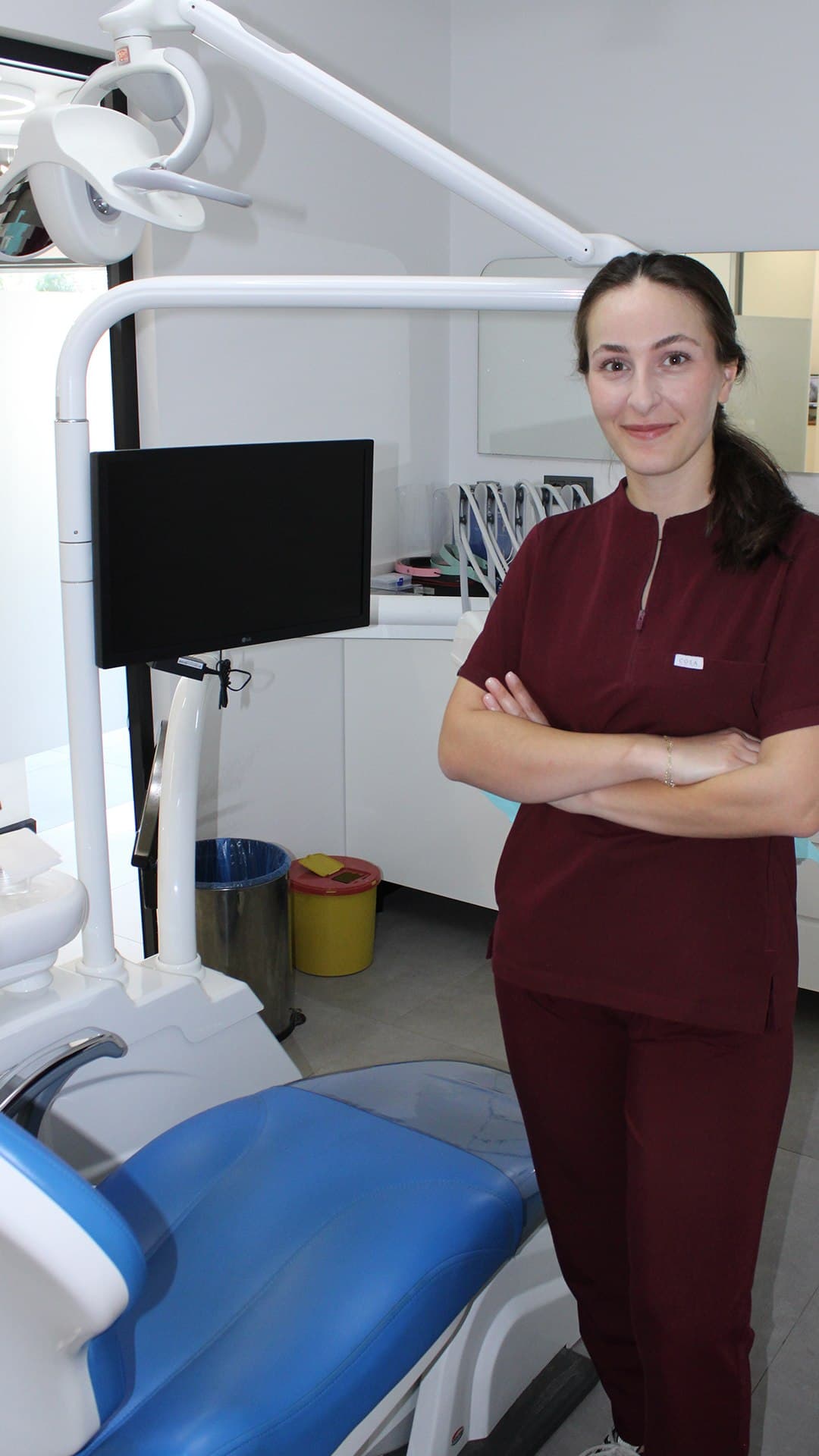
About
After graduating from Istanbul University Faculty of Dentistry in 2022, I continued my clinical career across several dental clinics in Istanbul. Today, with more than 4 years of clinical experience, I provide general dental care to a wide range of patients, always keeping patient satisfaction and oral health as my top priority.
Treatments
Some of the key treatments I offer within general dentistry.
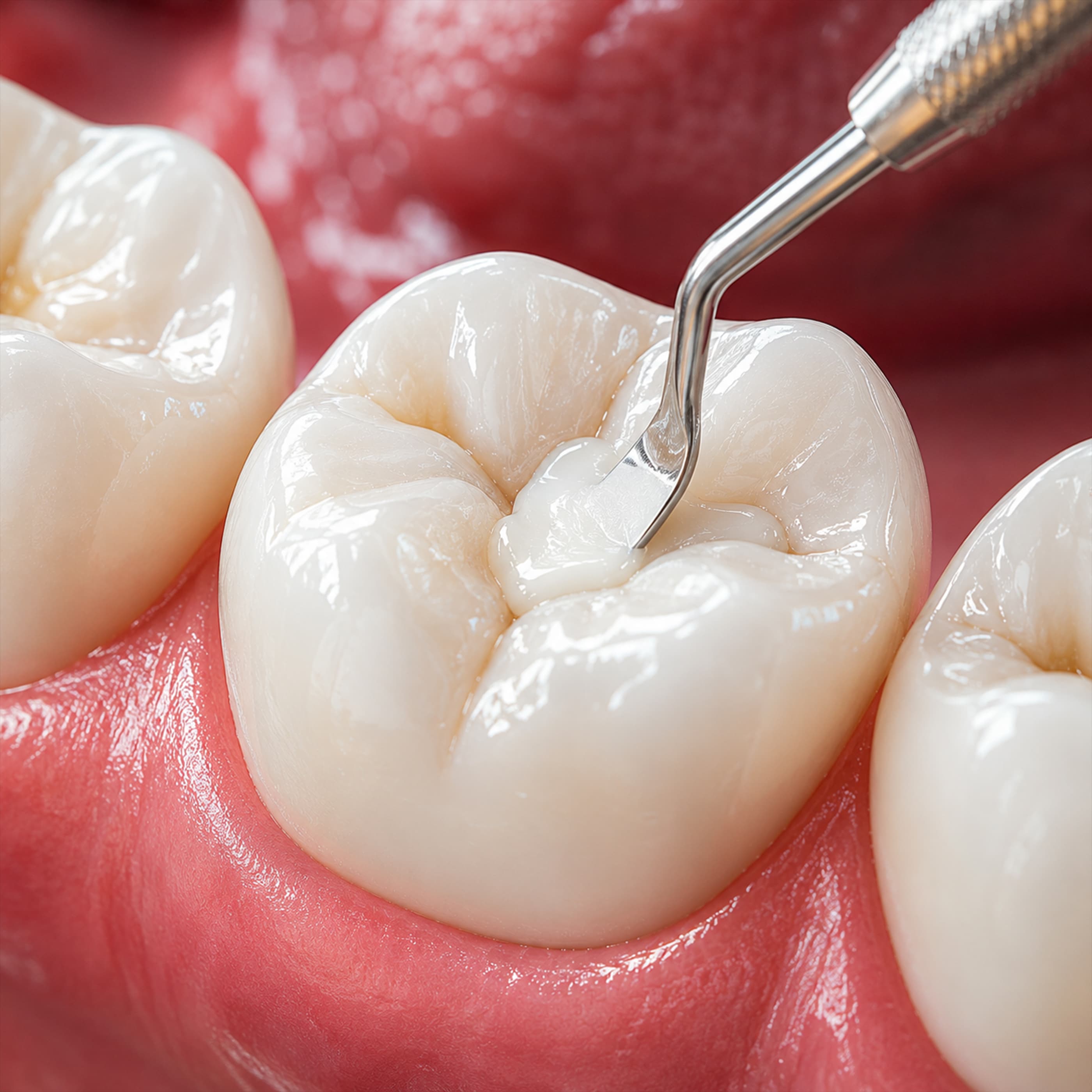
Dental Filling
Repairing decayed or damaged tooth structure with composite filling material.
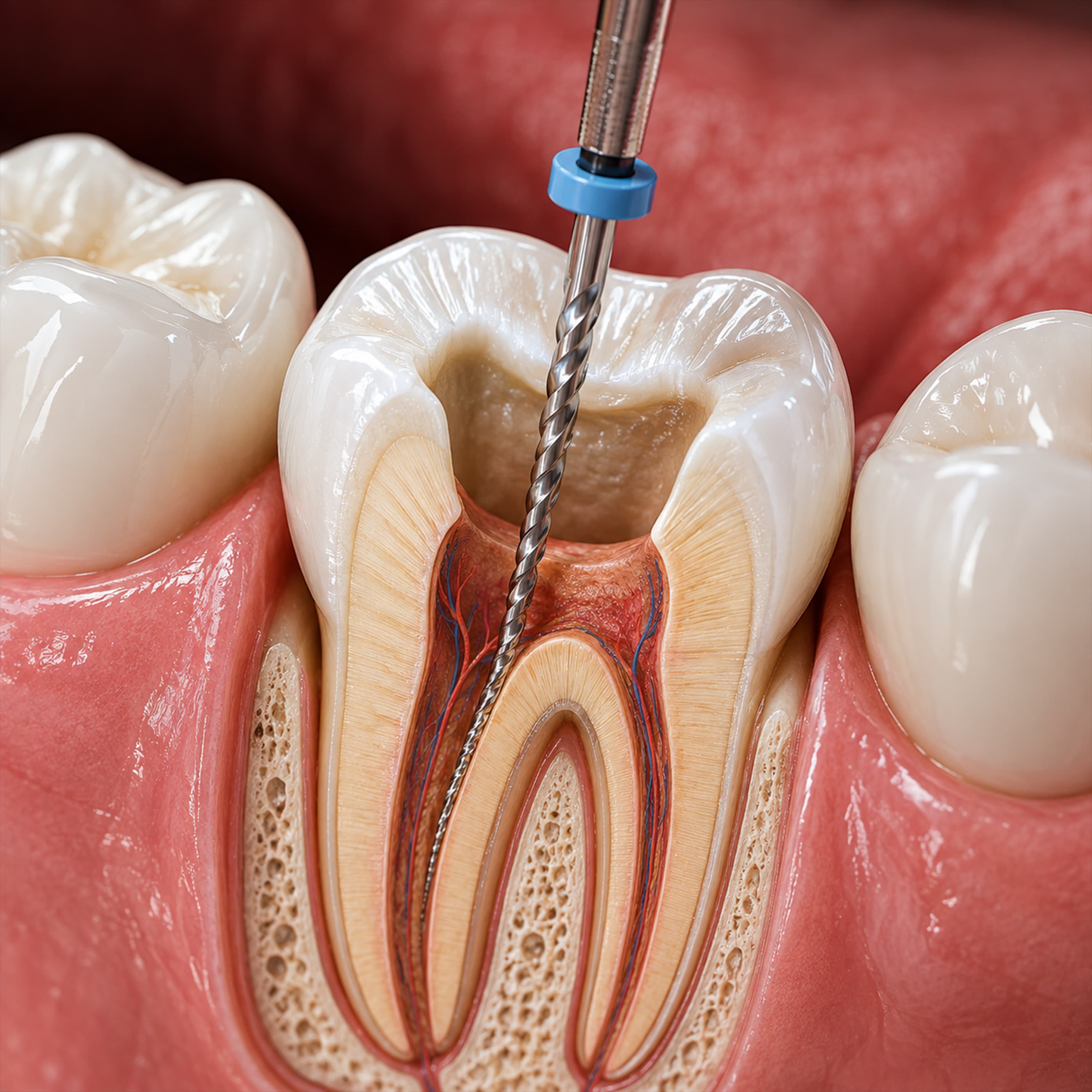
Root Canal Treatment
Treating inflamed or damaged nerve tissue inside the tooth root to save the tooth.
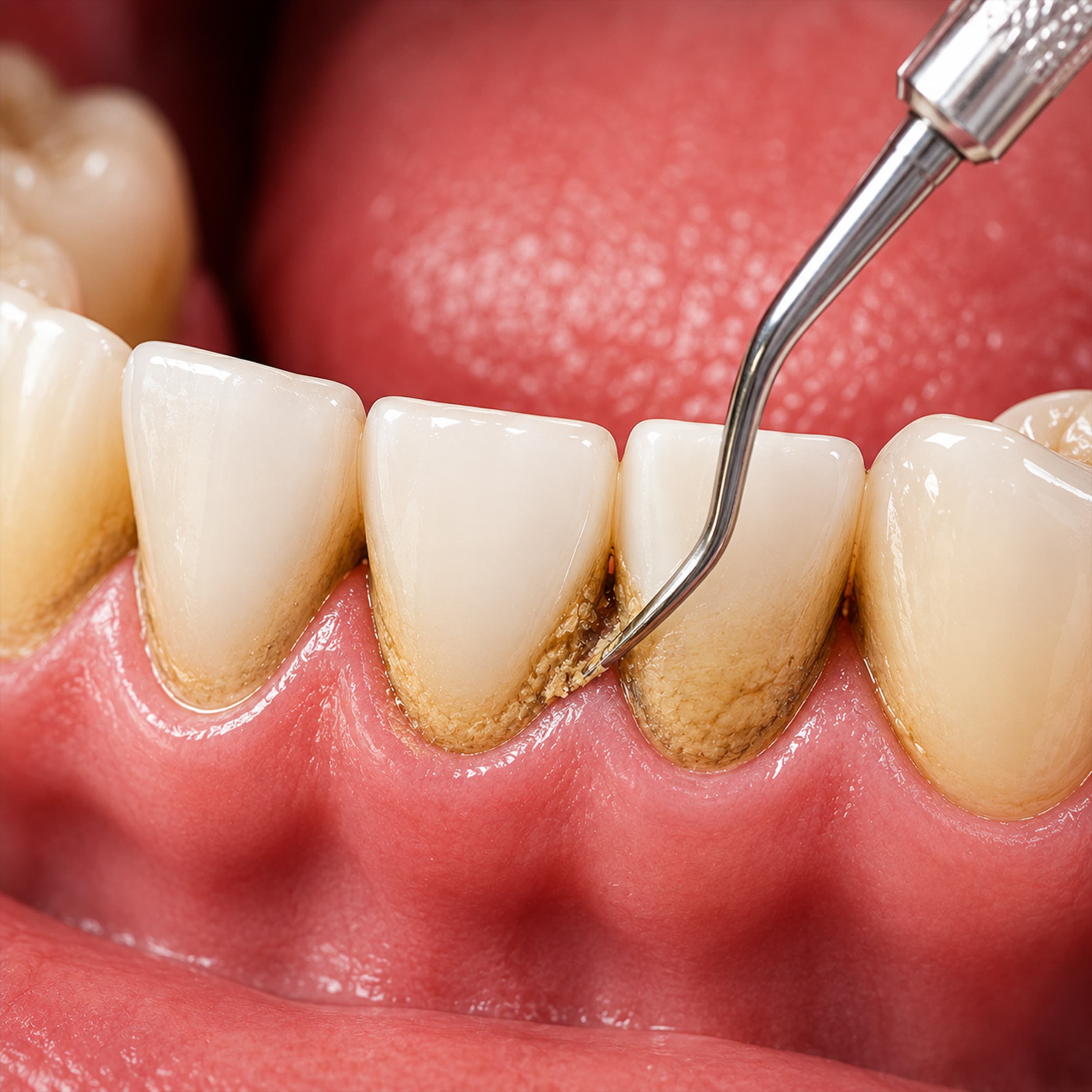
Dental Scaling (Tartar Removal)
Professional removal of plaque and tartar buildup on the tooth surface.
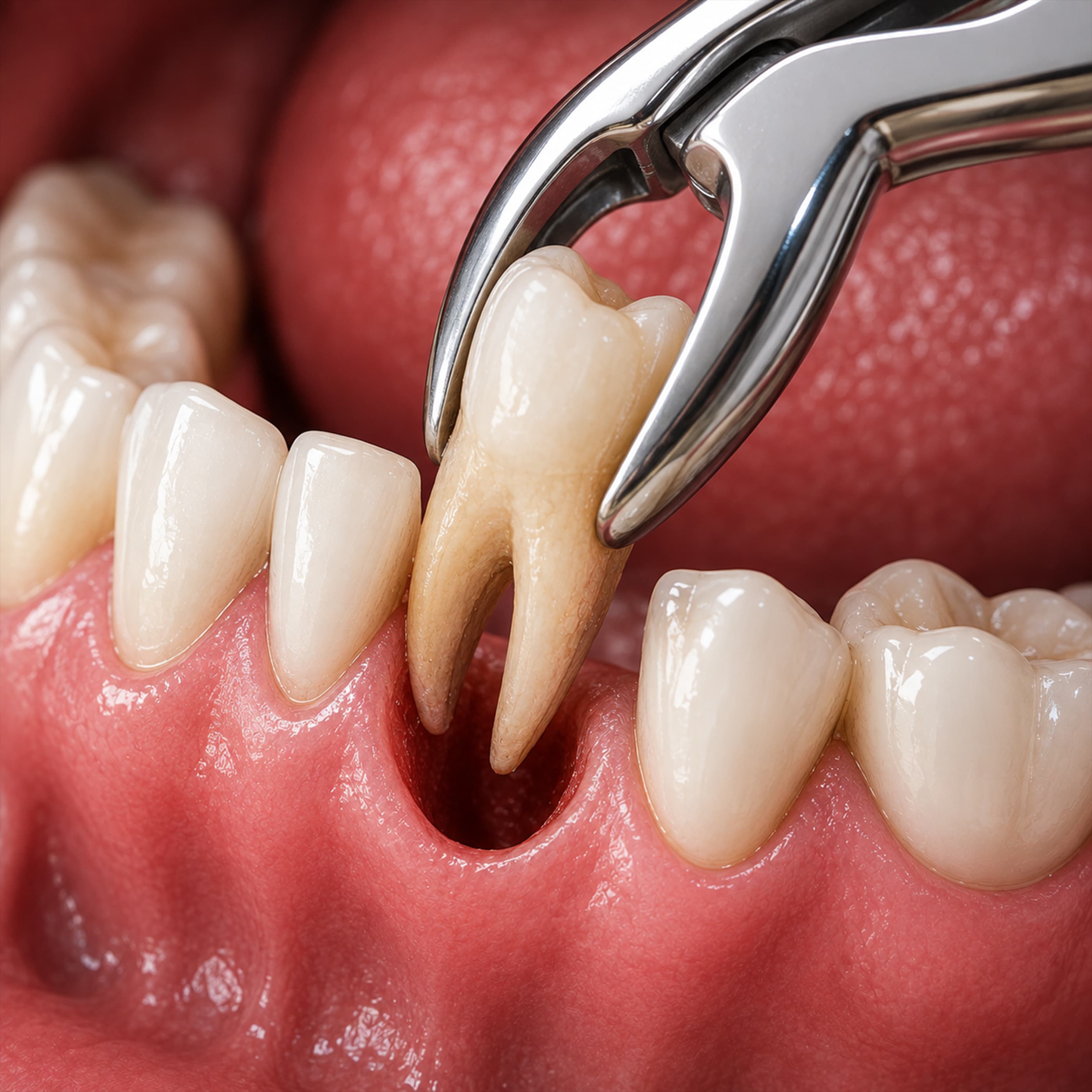
Tooth Extraction
Safely removing teeth that cannot be saved.
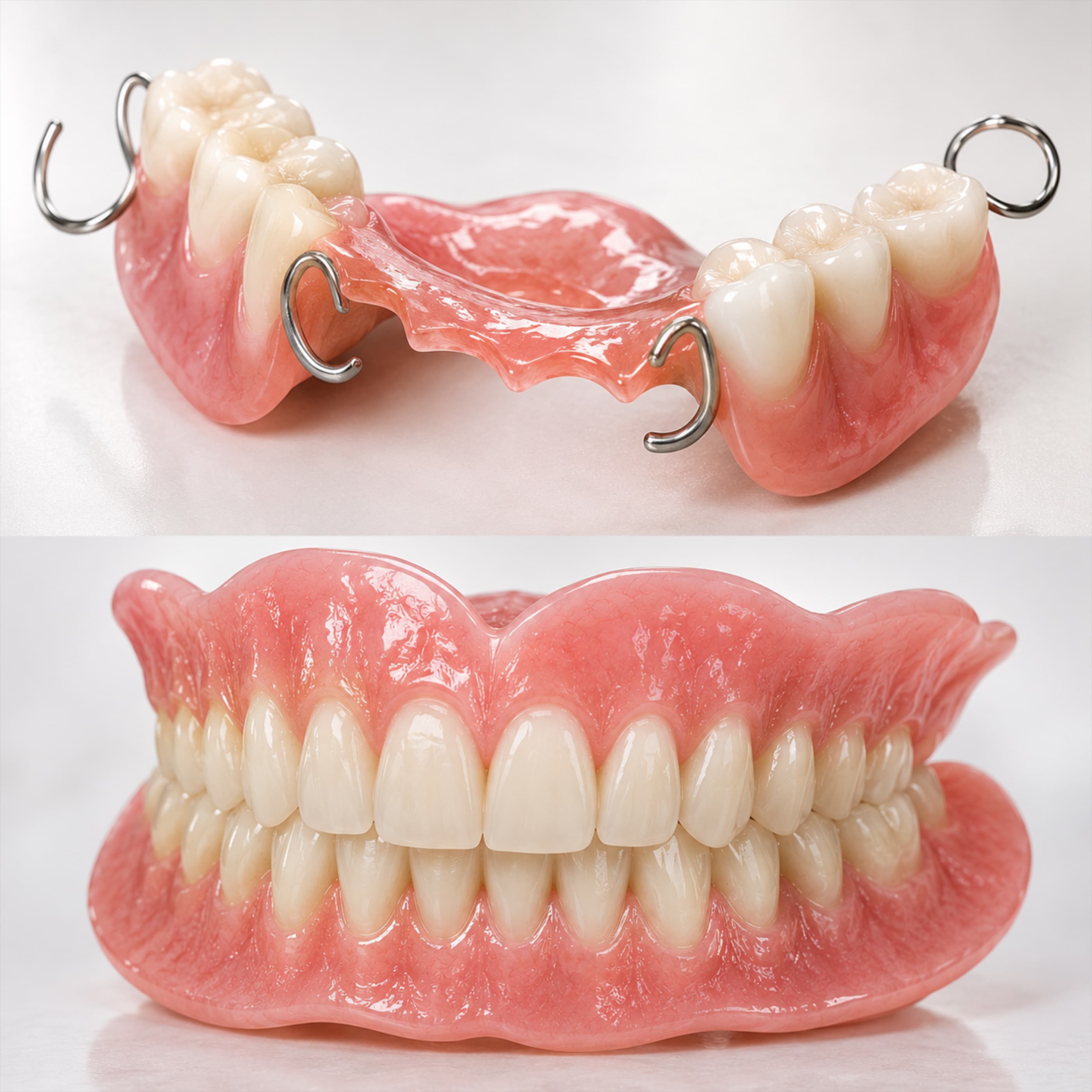
Fixed and Removable Dentures
Replacing missing teeth with fixed bridges or removable dentures.
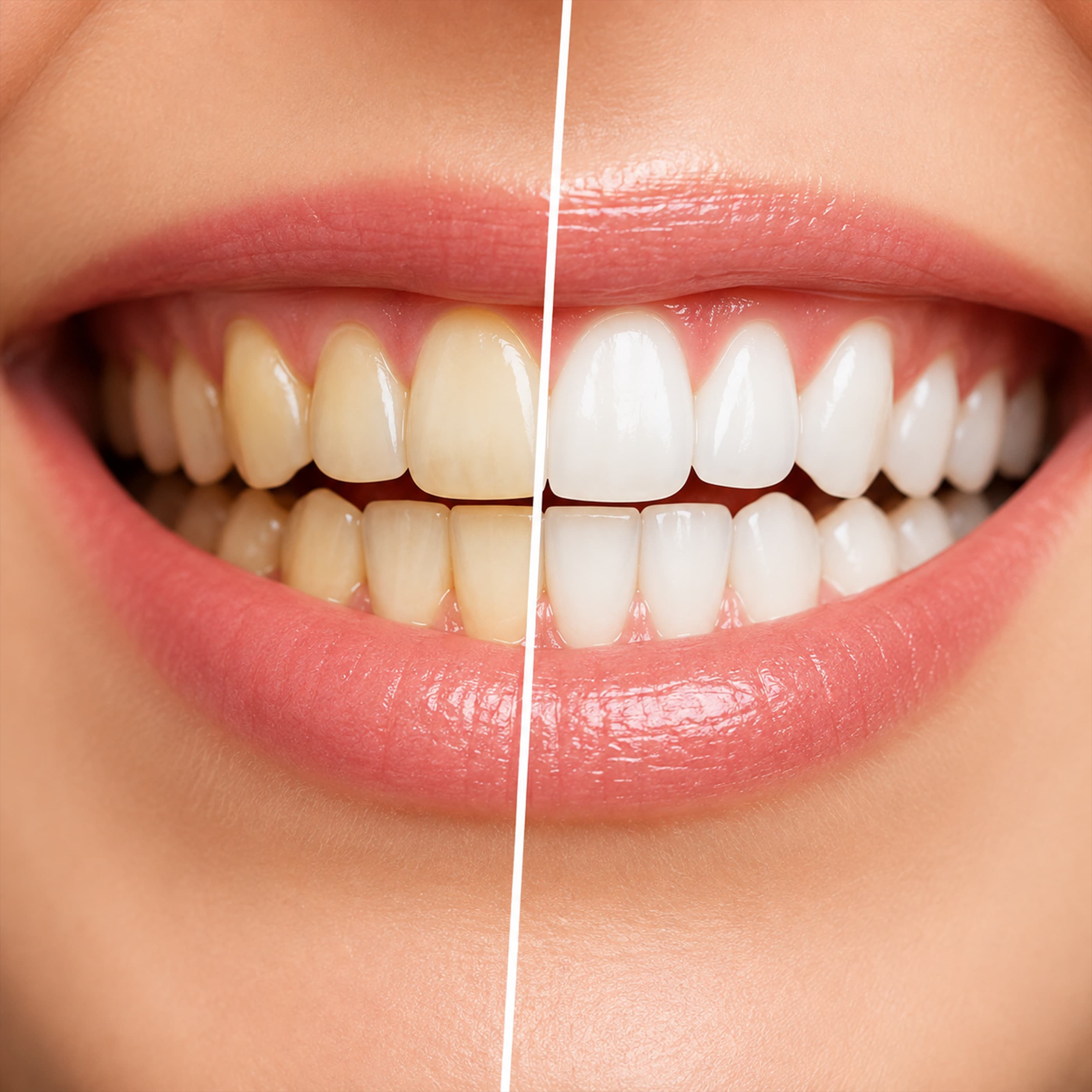
Teeth Whitening
A personalized teeth whitening treatment performed under dentist supervision.
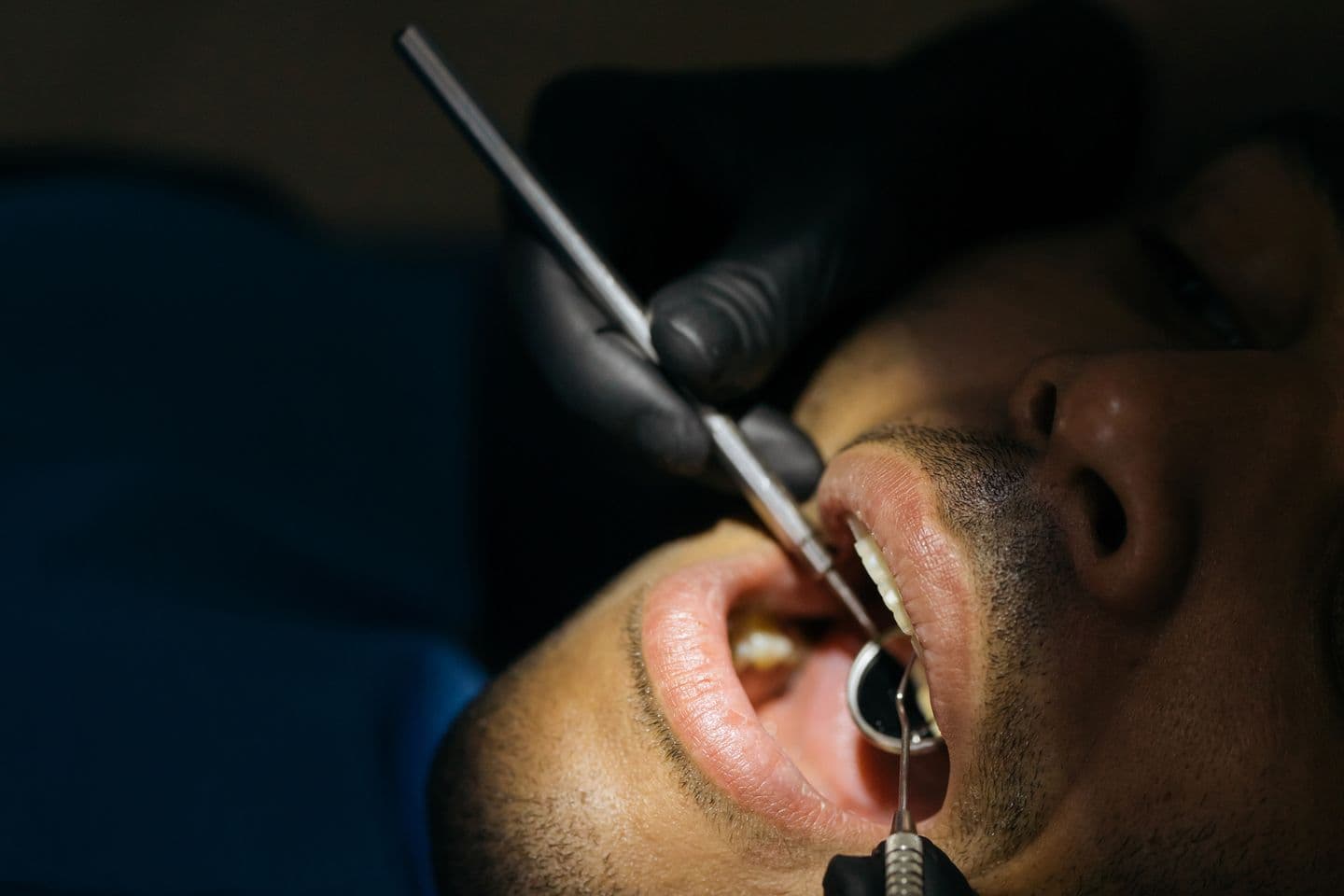
Dental Check-Up
Regular examination of oral and dental health.

Digital Smile Analysis
Analyzing the smile with digital scanning to plan treatment options.
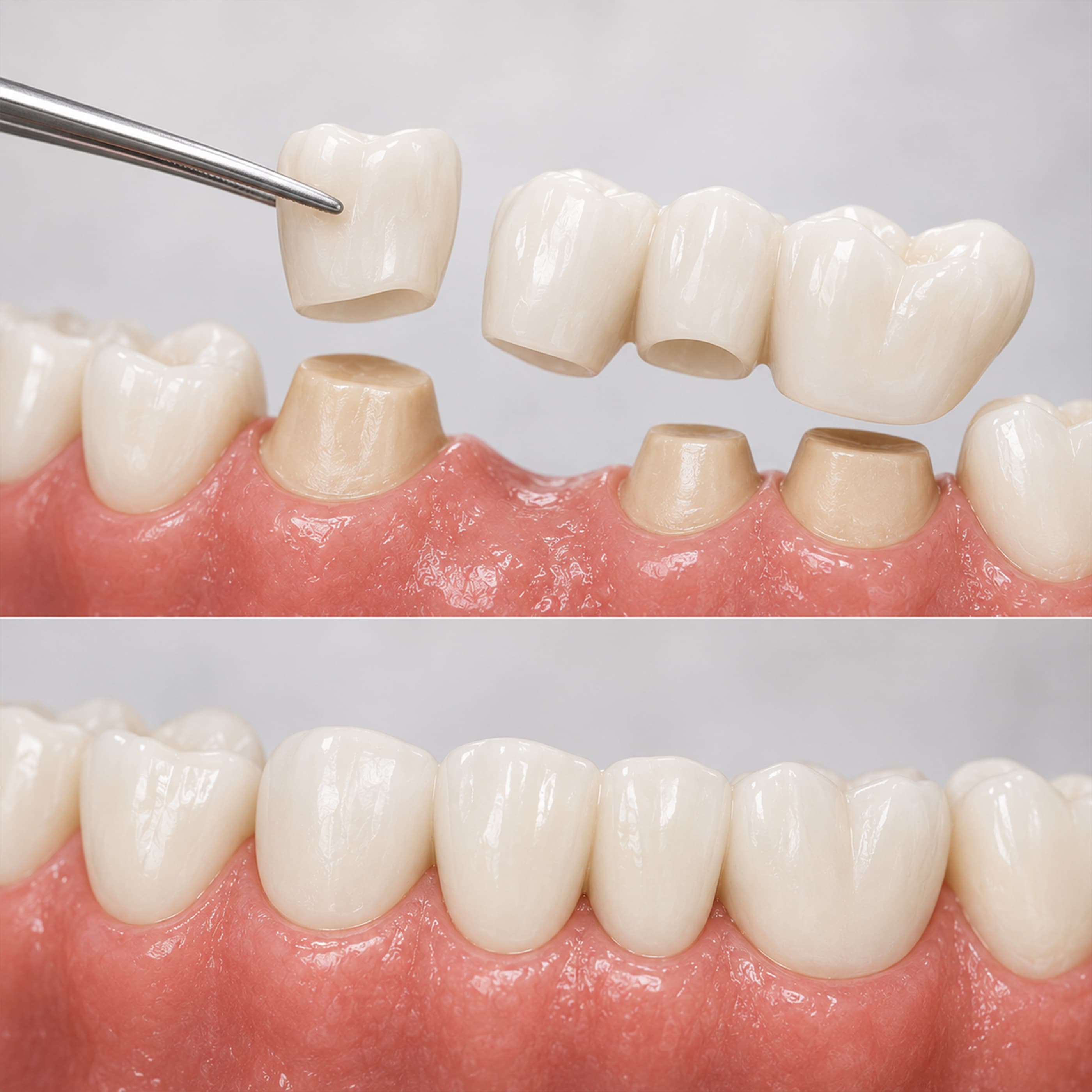
Zirconia Crowns
Strengthening and renewing teeth with severe structural loss or color/shape irregularities using zirconia crowns.
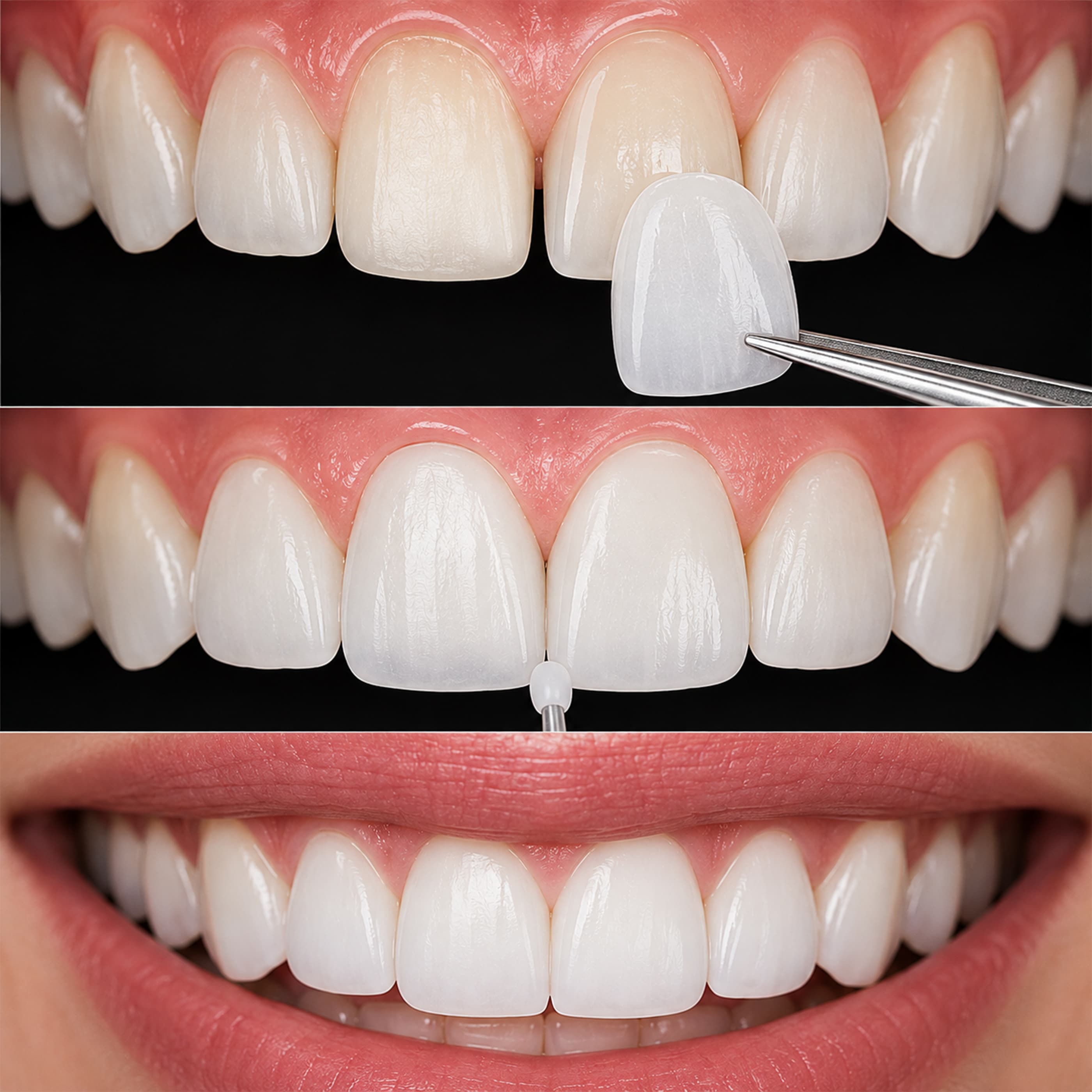
Dental Veneers
Improving the appearance of front teeth with thin porcelain veneers.
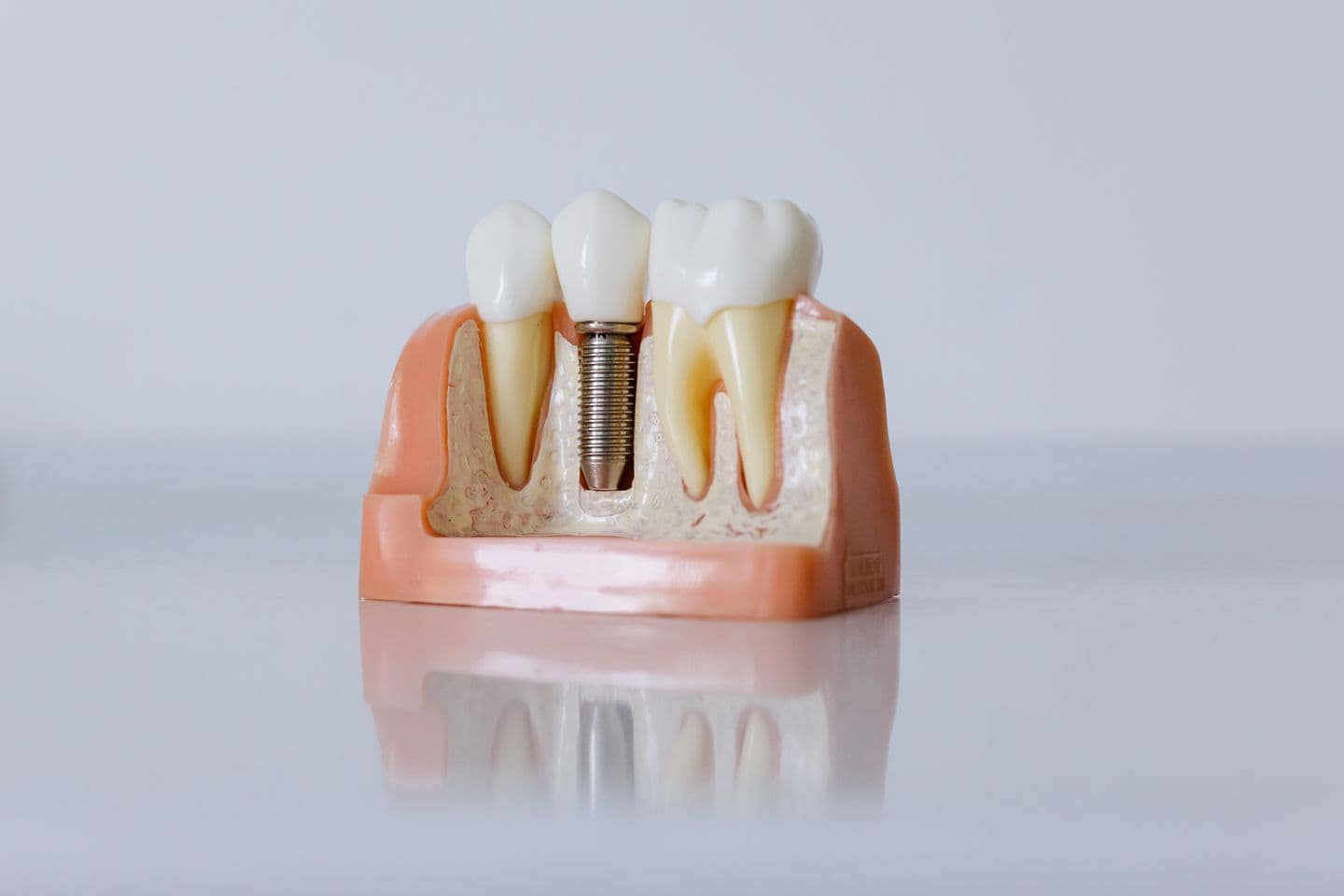
Dental Implants
Replacing missing teeth with an artificial tooth placed on an implant anchored in the jawbone.
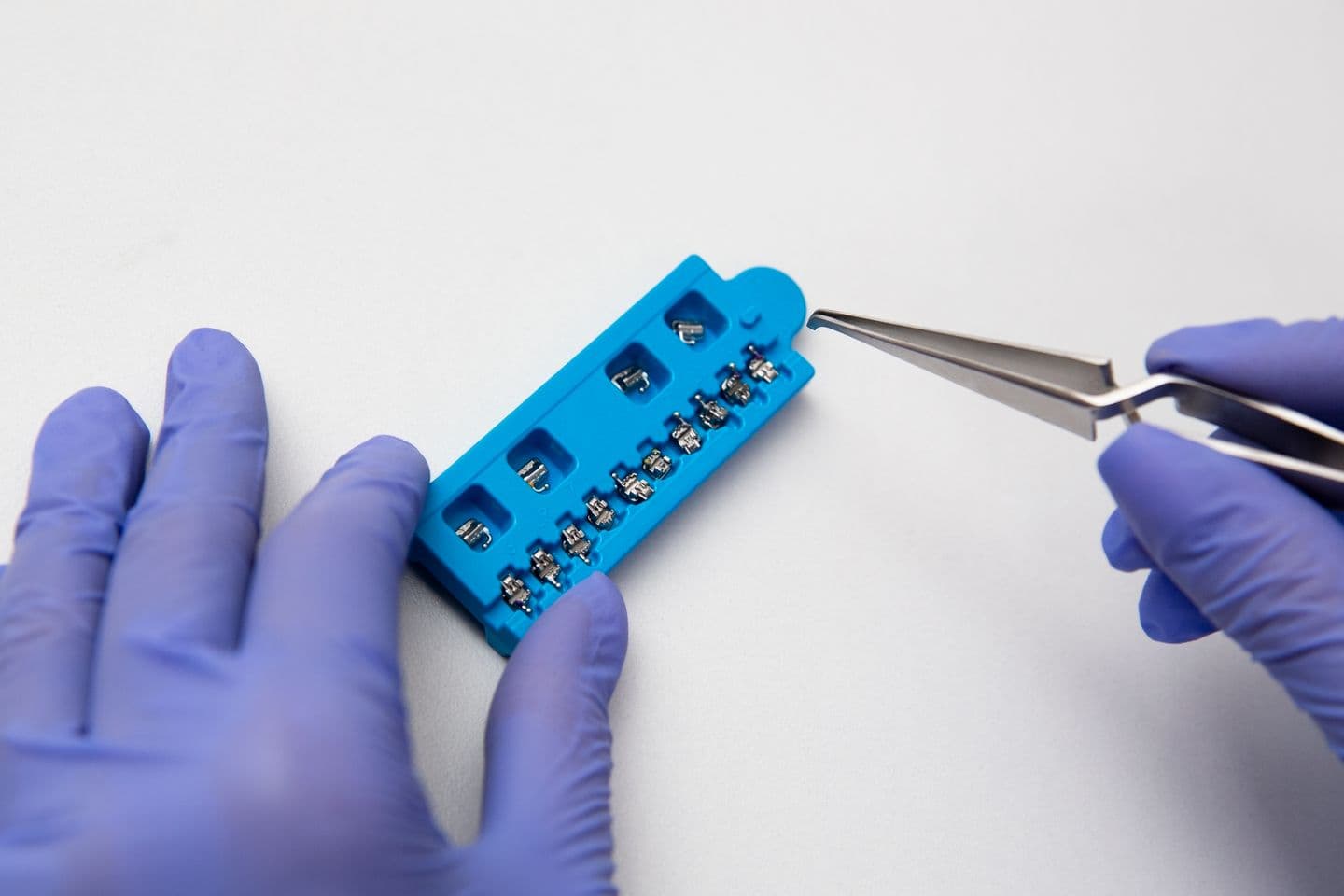
Orthodontics (Braces)
Correcting tooth and jaw alignment issues with wire (bracket) systems.
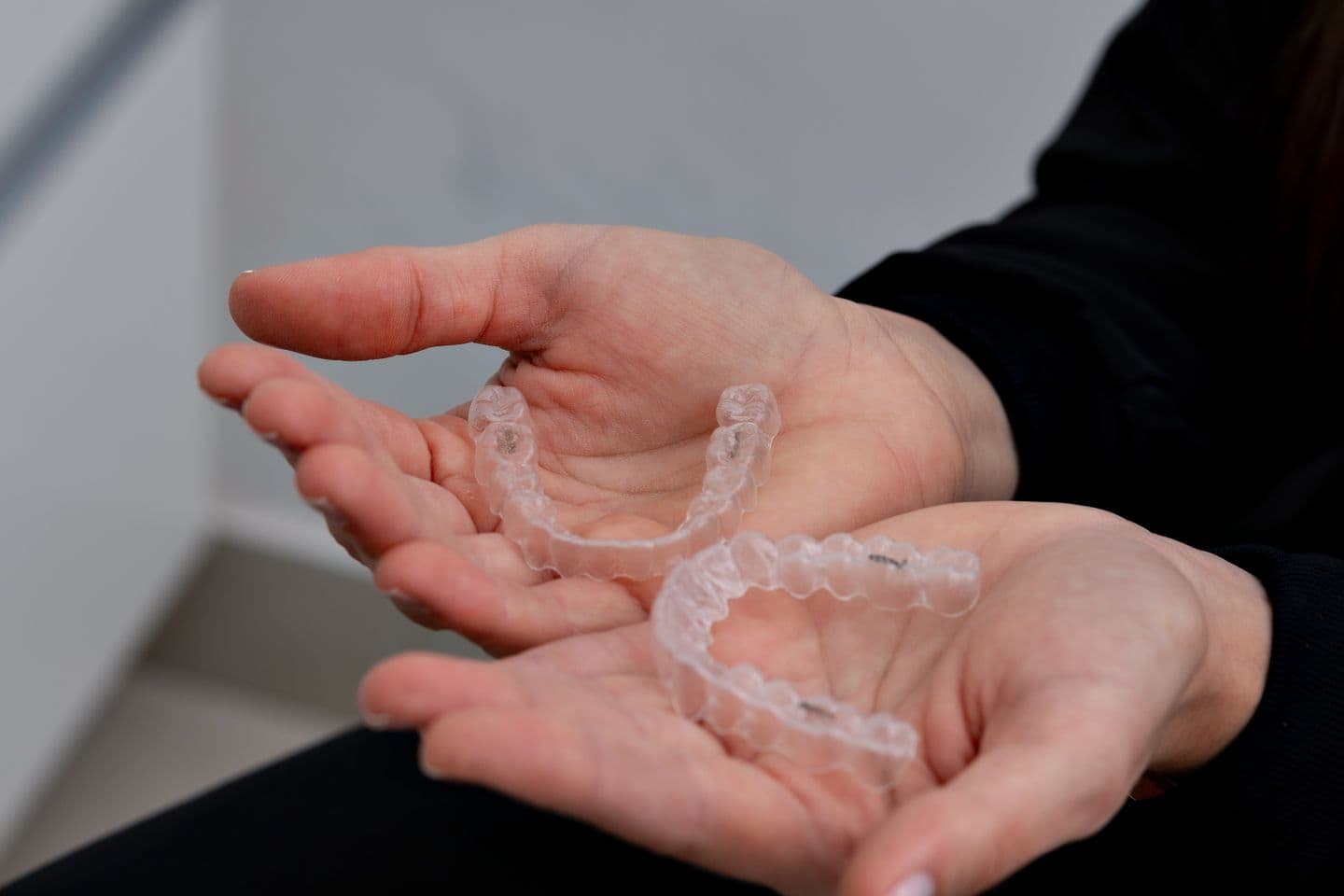
Clear Aligners
Correcting teeth discreetly with removable clear aligner trays.
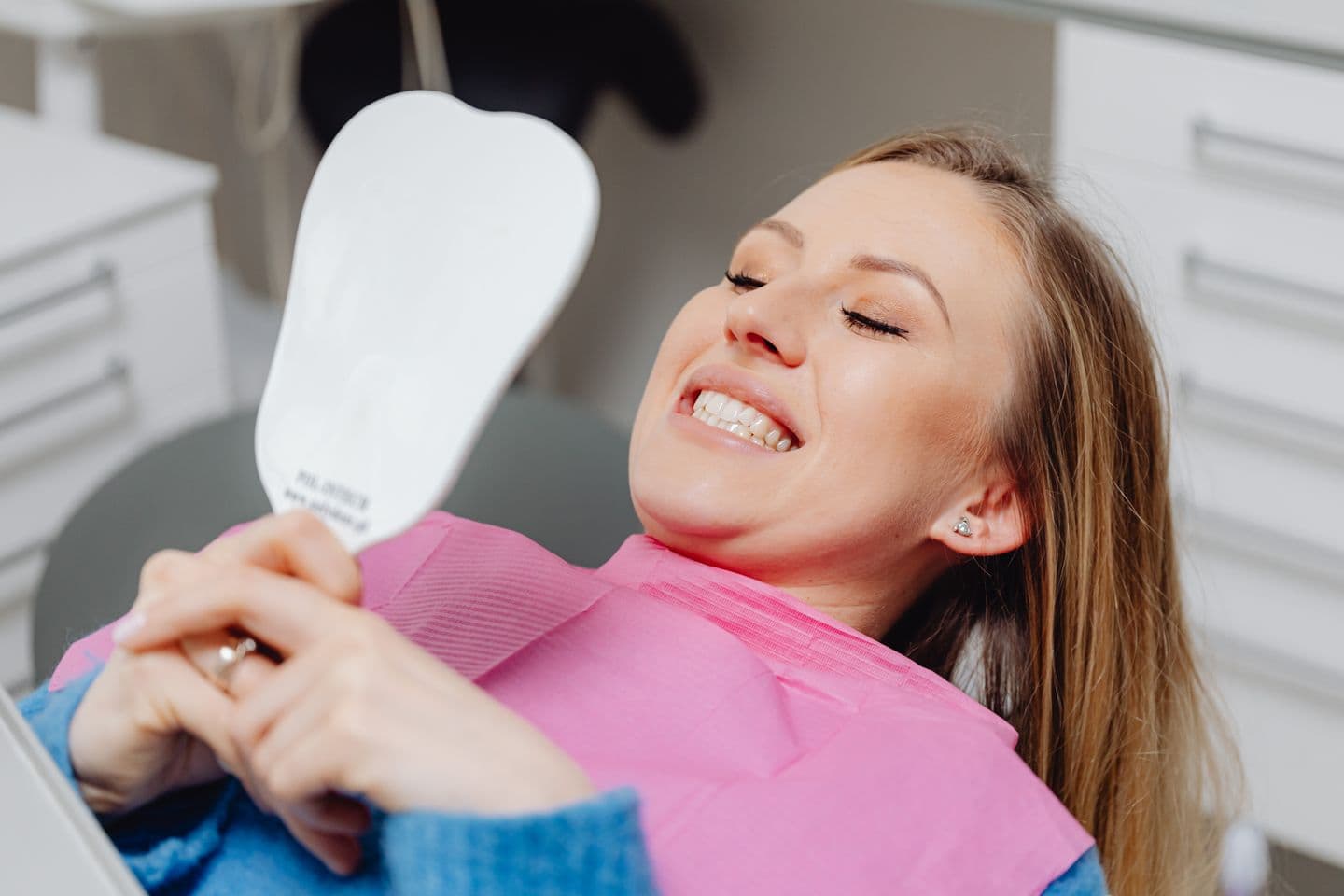
Smile Design
A digital smile planning process that holistically assesses tooth color, shape, and alignment.
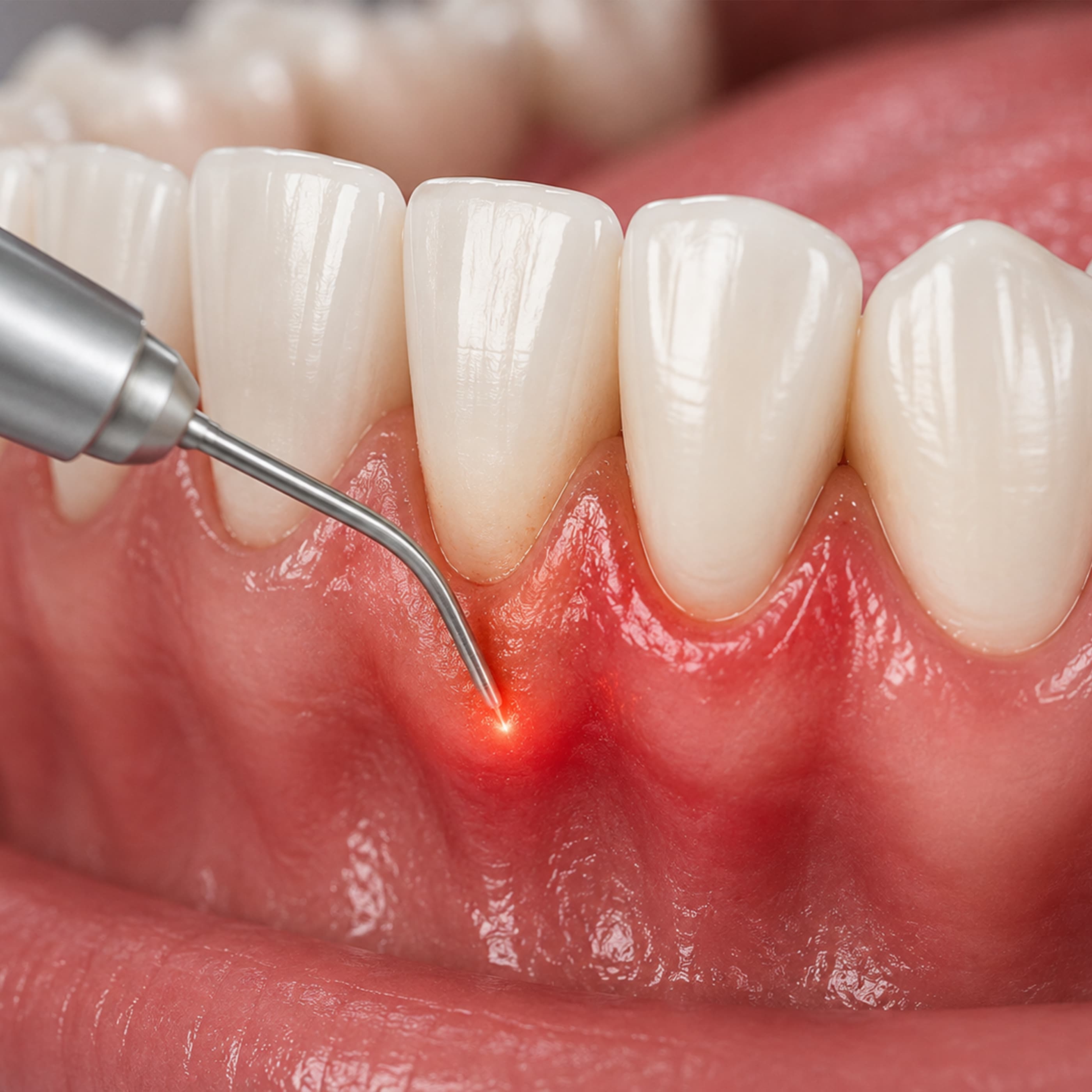
Gum Treatment
Assessing and treating gum inflammation, bleeding, or recession.
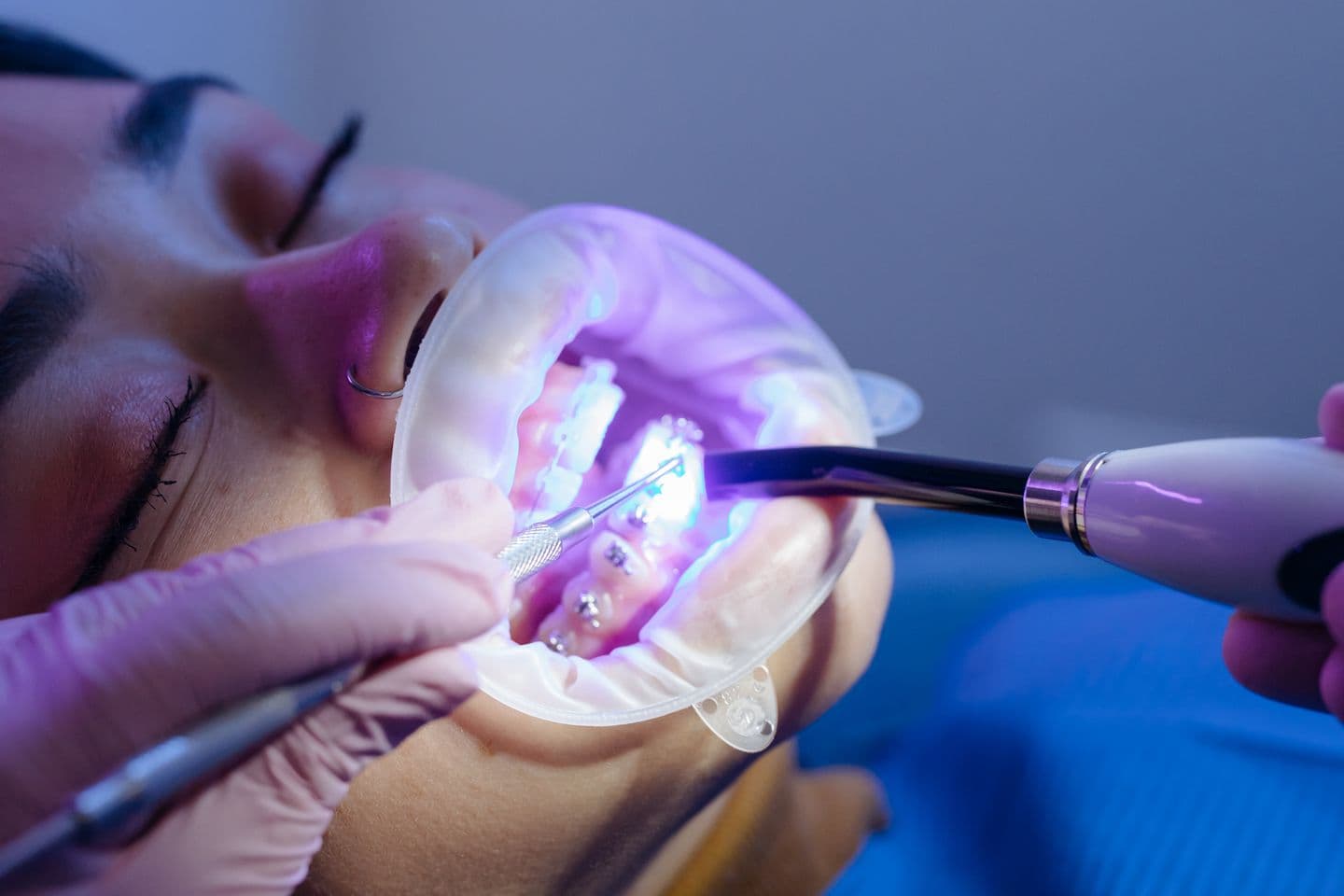
Composite Bonding
Correcting small tooth shape imperfections with composite material in a single session.
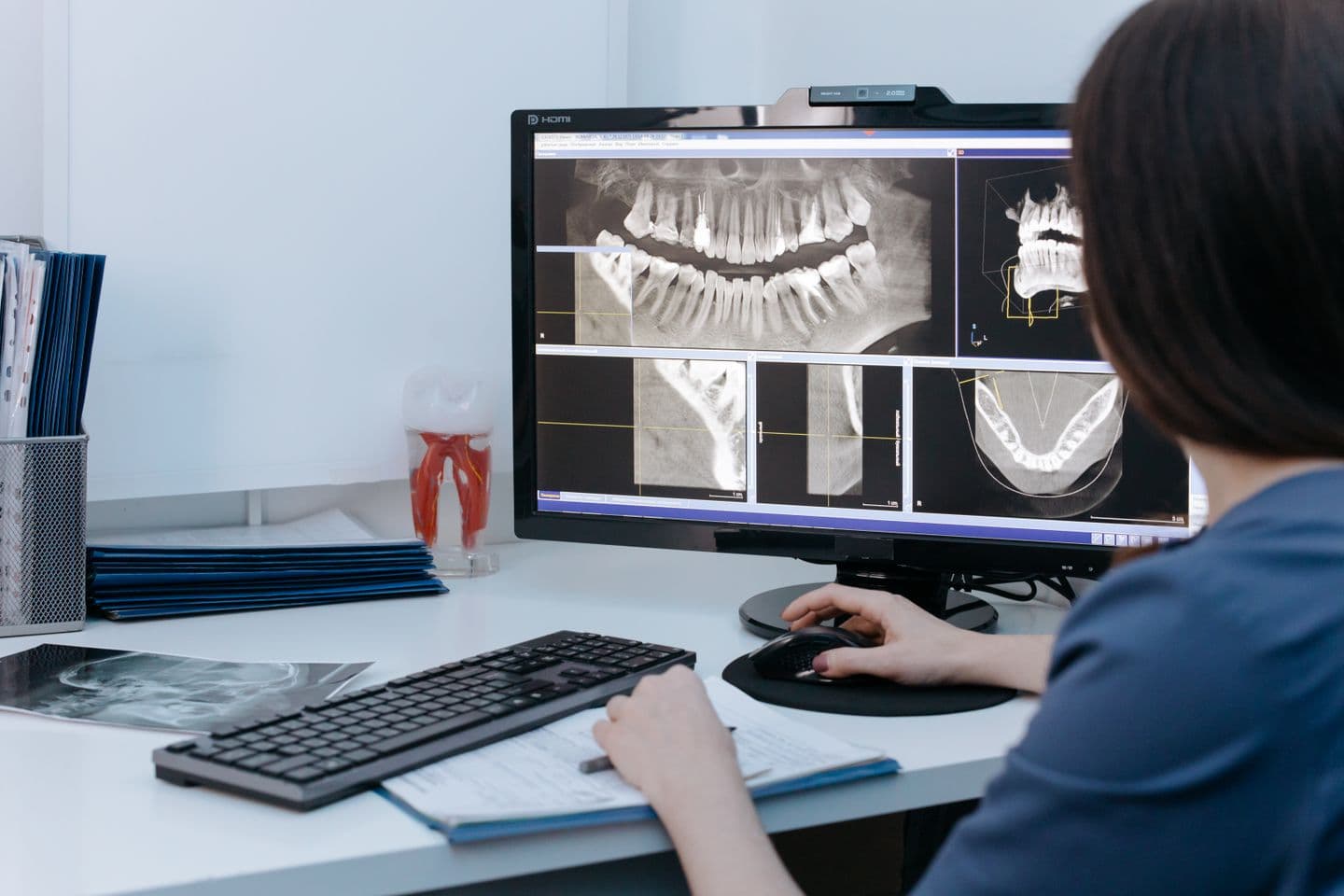
Wisdom Tooth Extraction
Extracting the wisdom tooth in cases of pain, infection, or impaction.
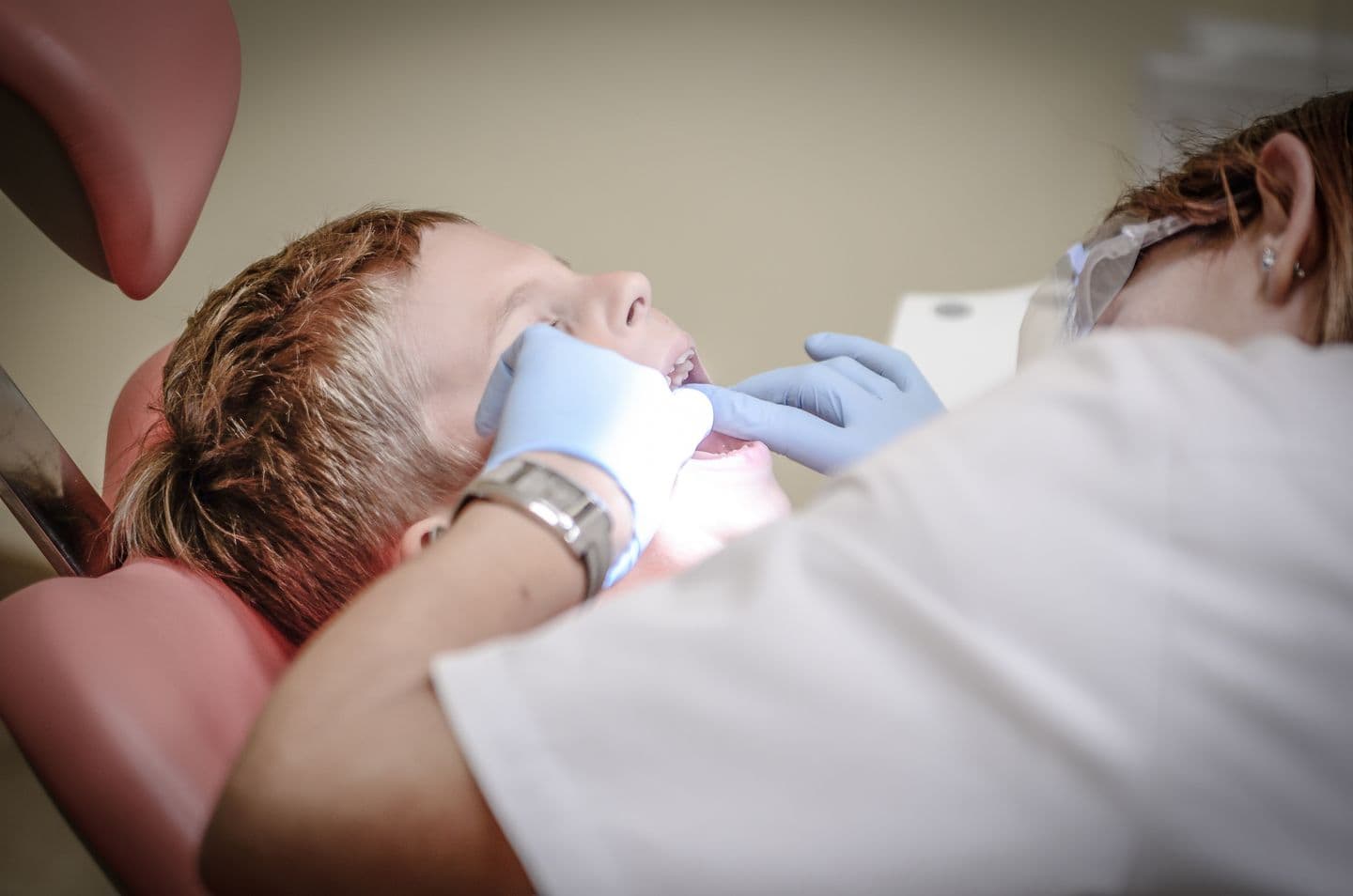
Pediatric Dentistry
Monitoring and treating the dental health of children's baby and permanent teeth.
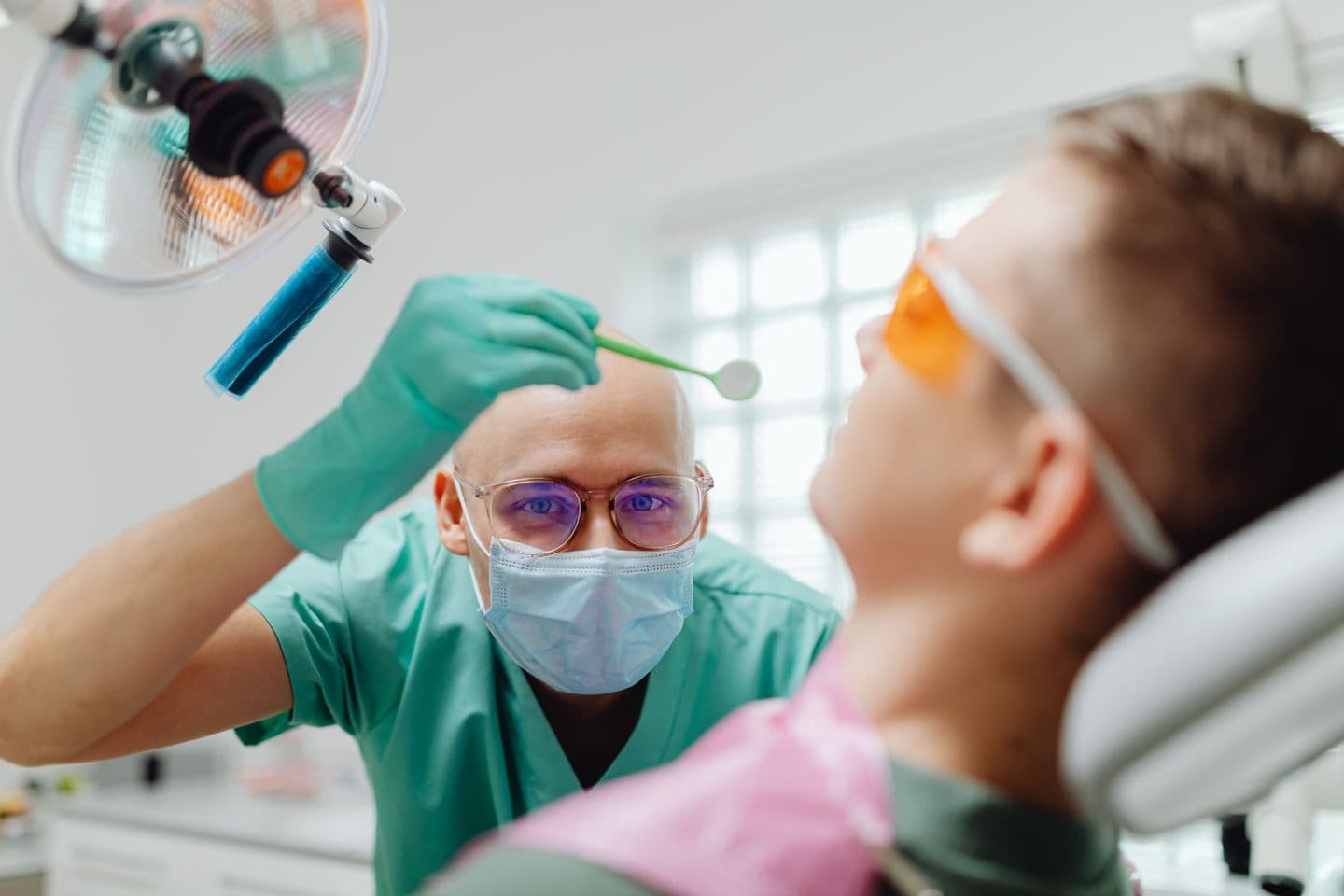
Tooth Sensitivity Treatment
Identifying and treating the cause of tooth sensitivity to hot, cold, or sweet stimuli.
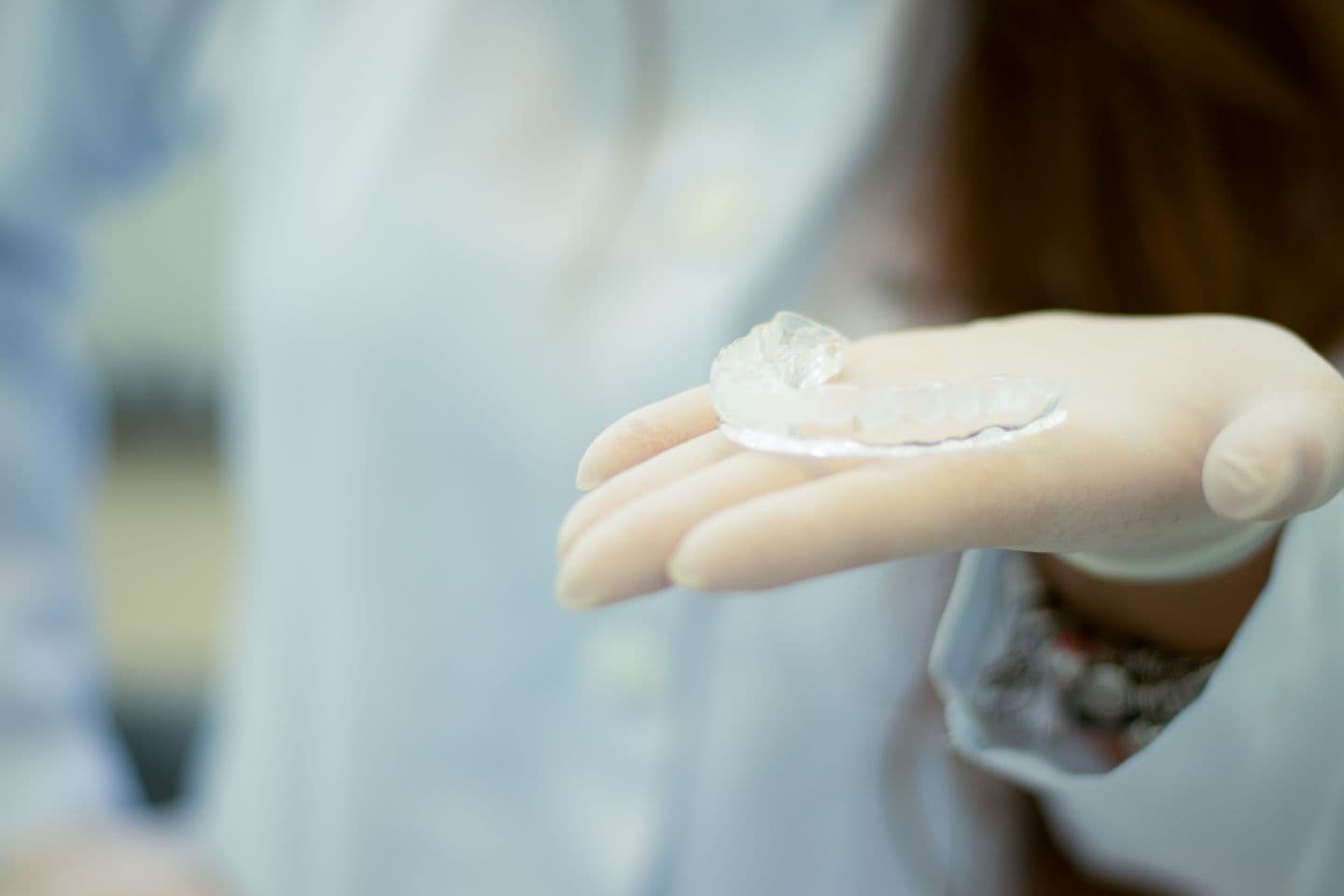
Night Guard (Bruxism)
Applying a protective night guard against nighttime teeth grinding or clenching (bruxism).
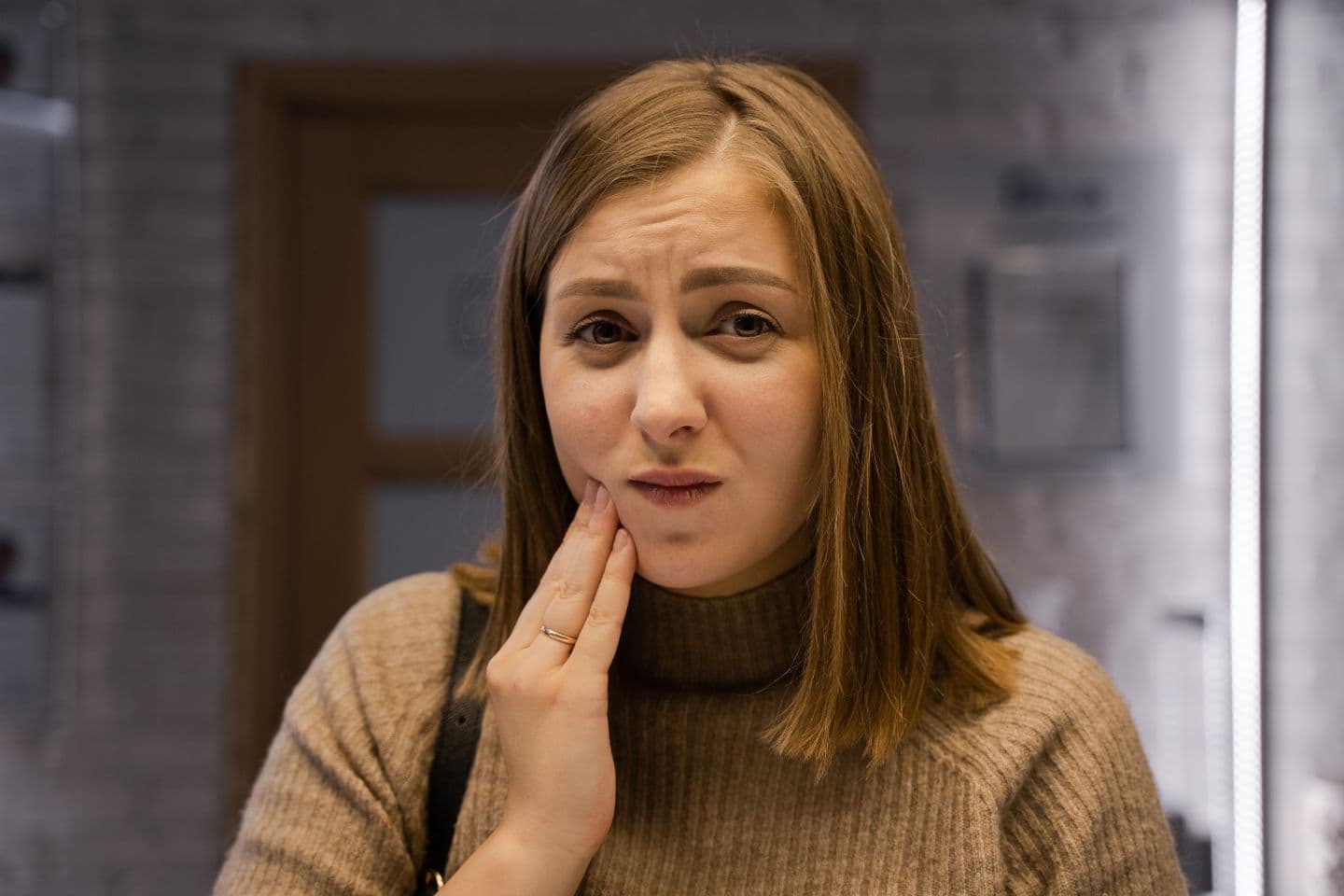
TMJ Treatment
Assessing and treating conditions causing pain, sounds, or restricted movement in the jaw joint.
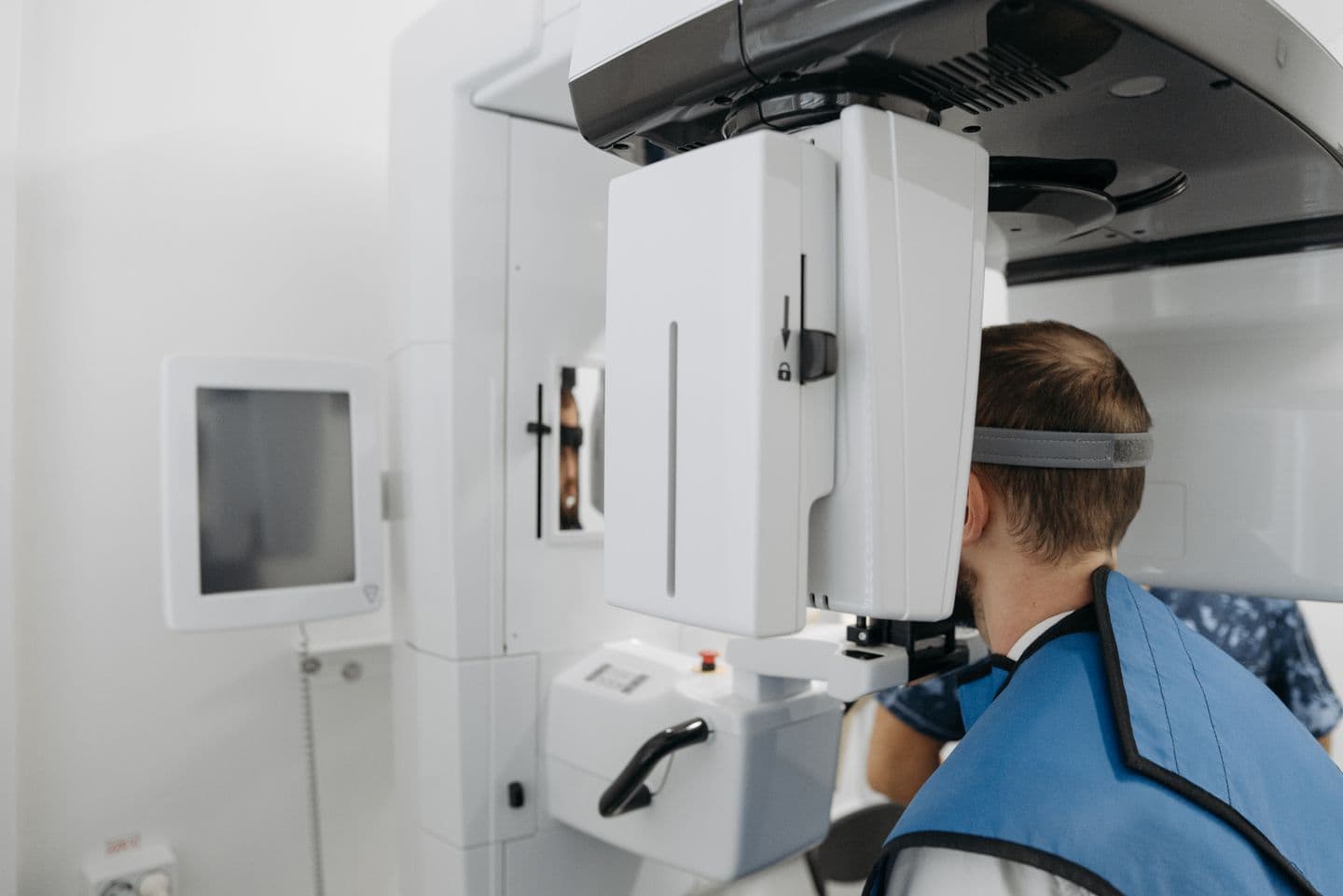
Panoramic Dental X-Ray
Digital X-ray imaging that shows the entire oral structure in a single image.
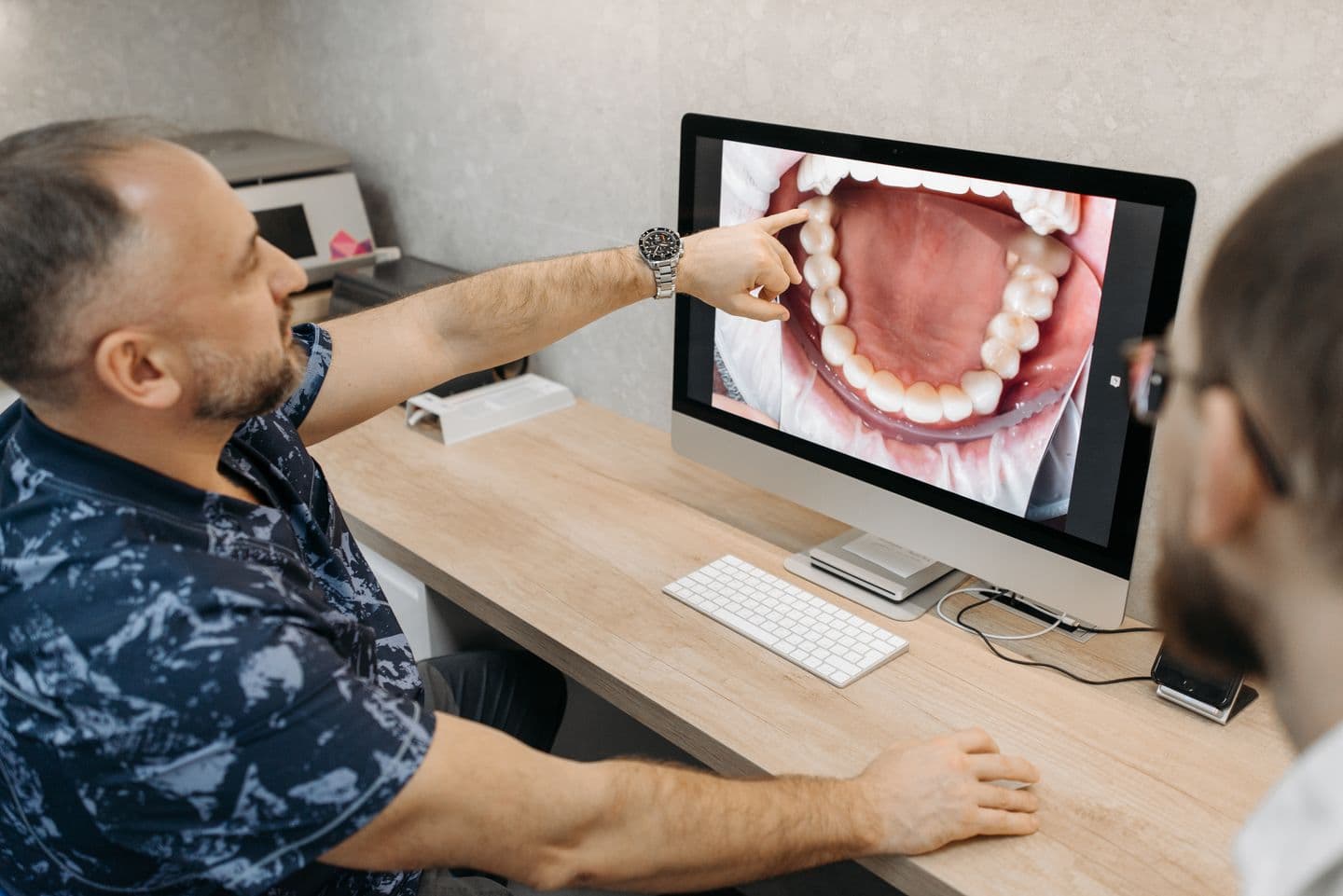
Digital Intraoral Scanning
Capturing a 3D digital scan of the teeth without traditional physical impressions.
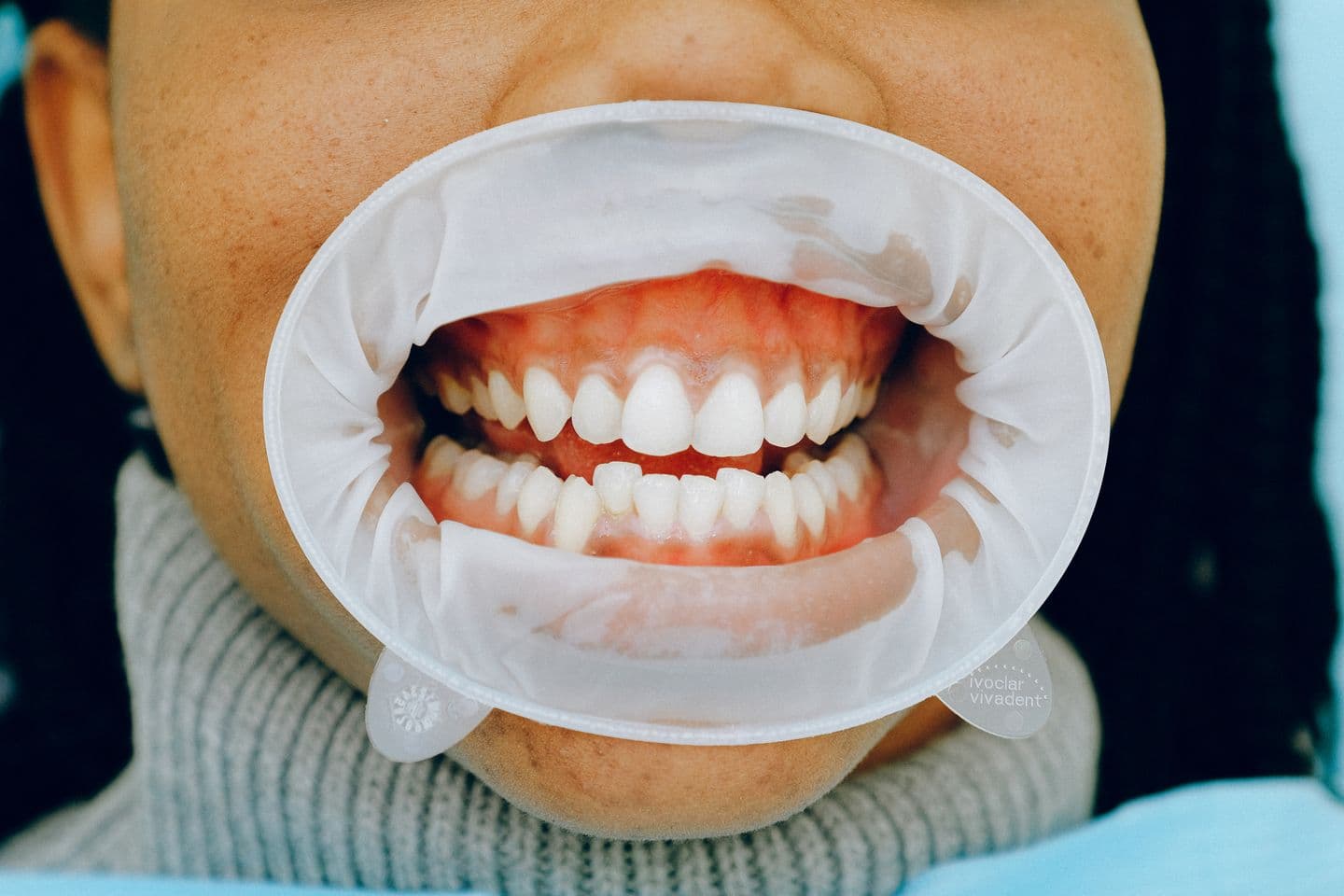
Gum Aesthetics
Contouring an unevenly shaped gumline for a more balanced smile.
Frequently Asked Questions
How often should I visit the dentist?
A routine check-up twice a year is generally recommended. That said, conditions such as gum sensitivity, prior treatments, or orthodontic appliances may call for more frequent visits. Your dentist can confirm the right interval for you after an examination.
I'm looking for a dentist in Kemerburgaz — where should I go?
You can book an appointment with Dentist Büşra Kayan at Neon Klinik, located in the Kemerburgaz area of Eyüpsultan, Istanbul. Services range from general dentistry to restorative and prosthetic treatments; the right treatment for you is determined after an in-person examination and assessment.
What should I do first if I have a toothache?
A toothache is usually a sign of an underlying issue, and the cause may remain even if the pain fades on its own. We recommend seeing a dentist as soon as possible; home remedies may offer temporary relief but are not a substitute for diagnosis and treatment.
What happens during a first visit?
A first visit includes a clinical oral examination, imaging (such as an X-ray) if needed, and a discussion of your concerns. Based on this assessment, you'll receive a personalized overview and, if applicable, the treatment options available to you.
When should a child have their first dental visit?
It's generally recommended that a child's first dental visit take place shortly after the first baby tooth appears, and no later than around age one. An early introduction helps establish good oral hygiene habits and allows any issues to be caught early.
What does bleeding gums mean?
Bleeding during brushing or flossing is often an early sign of gum inflammation (gingivitis) and can usually be managed with professional cleaning and consistent oral hygiene. If the bleeding persists, it should be evaluated by a dentist.
What can cause tooth sensitivity?
Tooth sensitivity can result from many different causes, including thinning enamel, gum recession, decay, a cracked tooth, or a recent dental procedure. Since the exact cause can only be determined through a clinical exam, persistent sensitivity is worth having checked.
What should I do if a tooth is accidentally chipped or knocked out?
It's important to reach a dentist without delay. If a tooth has been knocked out, hold it by the crown (avoid touching the root), rinse it gently with clean water if needed, and if possible keep it in milk or saliva while getting to the clinic as quickly as possible.
What should daily oral care include?
Brushing at least twice a day with fluoride toothpaste, daily flossing or interdental brushing, and reducing sugar intake form the foundation of good oral health. Since the right technique and tools can vary from person to person, it's worth asking your dentist for guidance.
How does smoking or tobacco use affect dental health?
Smoking and tobacco products increase the risk of gum disease, slow down healing, and can cause teeth to darken over time. Reducing or quitting tobacco use is an important step for protecting oral health.
How can I book an appointment?
You can reach us directly via the WhatsApp button on the page or by phone. Neon Klinik is located in the Kemerburgaz area of Eyüpsultan, Istanbul; our team will get back to you to confirm a suitable appointment time.
Why isn't pricing listed on the website?
Turkish Ministry of Health advertising regulations prohibit healthcare providers from advertising prices or promotions. In addition, the amount of treatment and number of sessions required vary by person, so a single listed price would be misleading. Personalized information is shared directly after an examination.
Book an Appointment & Contact
You can share your questions or request an appointment directly. We'll get back to your message as soon as possible.