

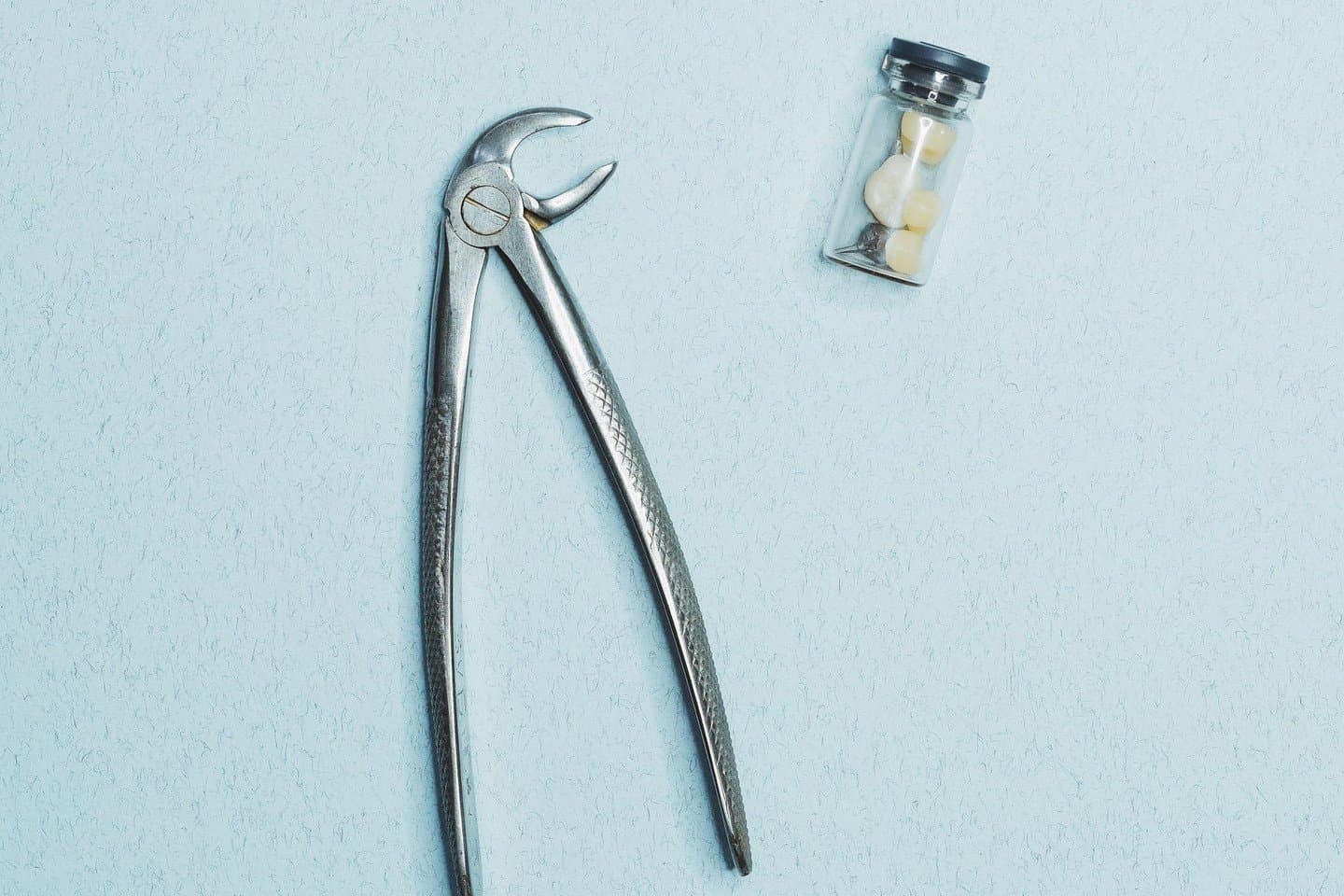
The first few days after a tooth extraction are when my patients ask the most questions about what to eat and what to watch out for. Following a few simple rules during this period really does make a difference in how smoothly healing goes.
In this article, I explain the recovery process starting from the first hours after extraction, how to control bleeding, the "dry socket" condition to watch for, and nutrition tips. Guidance specific to your situation can only be given by your dentist after the examination and procedure.
Key Takeaways
- The blood clot that forms after extraction is the foundation of healing; not disturbing it in the first 24 hours is the most important rule.
- Avoiding straws, vigorous spitting/rinsing, and smoking in the first 24 hours reduces the risk of "dry socket."
- Eating liquid/soft foods on the first day and gradually returning to normal eating over the following days is recommended.
- Pain that starts or worsens 48 hours after extraction can be a sign of dry socket and won't resolve on its own — you'll need to see your dentist.
- Contact your dentist without delay for severe or prolonged bleeding, fever, or excessive swelling.
Simple Extraction vs. Surgical Extraction: What's the Difference?
Not every tooth extraction proceeds the same way. A "simple extraction" is usually enough for a visible tooth with a single, straightforward root, while a "surgical extraction" may be needed if the tooth is broken, impacted in the bone, or has a complex root structure.
In a simple extraction, the tooth is gently loosened and removed with a special instrument. In a surgical extraction, a small opening in the gum may be needed, and the tooth may sometimes need to be divided into smaller pieces — in this case, healing may require a bit more attention. Which approach is appropriate is determined through an X-ray evaluation and examination.
Is Wisdom Tooth Extraction Different?
This article covers the general tooth extraction process; wisdom teeth, due to their position (often partially impacted), usually fall into the surgical extraction category and can take a bit longer to heal. Wisdom tooth extraction deserves its own separate look at the specific process and precautions involved.
What Happens in the First Hours After Extraction?
Immediately after extraction, a blood clot begins to form in the empty socket. This clot is the foundation of healing — it protects the bone and nerve endings underneath and provides a base for new tissue to form.
A gauze pad is usually placed over the area after the procedure, and you'll be asked to bite down gently to apply pressure. This pressure both slows bleeding and helps the clot form. The gauze should be kept in place for as long as your dentist recommends (usually 30-45 minutes).
How Do You Control Bleeding?
Light oozing in the first few hours is normal. When changing the gauze, applying gentle pressure rather than wiping the area helps prevent the clot from being disturbed.
Resting with your head slightly elevated (for example, with an extra pillow) can help reduce bleeding. If bleeding doesn't noticeably decrease within a few hours, or increases, it's important to let your dentist know.
Why Is the Blood Clot So Important? What Is Dry Socket?
Dry socket is a painful condition that occurs when the blood clot in the extraction site comes loose or dissolves early on, exposing the underlying bone. This condition doesn't resolve on its own and needs to be assessed and treated by a dentist.
Symptoms of dry socket include pain that starts 48 hours after extraction or worsens instead of easing, sometimes radiating to the ear or temple; a persistent bad taste or odor in the mouth; and an empty, open-looking socket instead of a clot. If you notice any of these signs, I recommend reaching out to us without delay.
Treatment usually involves cleaning the area and placing a medicated dressing, which helps quickly reduce pain and restart the healing process.
What Should You Avoid in the First 24 Hours?
To prevent the clot from being dislodged, it's important to follow a few simple rules for the first 24 hours:
- Don't drink through a straw — the sucking motion can dislodge the clot
- Don't rinse or spit forcefully
- Avoid smoking — both the sucking motion and the chemicals in smoke can harm healing
- Don't touch the extraction site with your tongue or fingers
What Should You Watch for With Eating?
Eating liquid and soft foods immediately after the procedure and for the first few days is recommended. Options like soup, yogurt, purees, and smoothies (without a straw) are easy to eat during this period.
Chewing on the opposite side of the extraction site and eating slowly, in small bites, makes healing easier. It's best to avoid very hot, spicy, or acidic foods and drinks in the first few days, as they can irritate the area.
Hard, crunchy, or small-particle foods (like chips, nuts, or popcorn) are considered particularly risky — small pieces can get lodged in the socket and cause irritation or infection. It's safest to avoid these foods until the area has fully healed.
Foods That Support Healing
Getting the nutrients your body needs during healing supports tissue repair. Protein-rich soft foods (eggs, yogurt, lentil soup, well-cooked fish) are beneficial for tissue repair.
Pureed fruits and vegetables rich in vitamins A and C (boiled carrots, applesauce, bananas) support the immune system and healing. Drinking plenty of water also contributes to overall recovery.
Over time, with your dentist's approval and based on your comfort level, you can gradually return foods to their normal texture — this usually happens over a few days to a week.
When Can I Return to Work or School?
Most patients can return to their daily routine the same day or the day after a simple extraction. For surgical extractions, since swelling and sensitivity may be more noticeable, resting for a day or a few days may be more appropriate.
Taking a break from strenuous physical work or sports for the first 2-3 days helps reduce both bleeding risk and swelling. If you're taking pain relievers, it's worth keeping their possible effects in mind for work requiring concentration.
Managing Swelling and Pain
In the first 24 hours after the procedure, applying a cold compress (an ice pack over a thin cloth) to the area near the extraction site can help reduce swelling; it can be applied in 15-20 minute intervals.
After the first 24 hours, if your dentist recommends it, a warm compress can help ease muscle tension. Any pain relievers your dentist prescribes should be used at the recommended dose and frequency.
Common Myths About Tooth Extraction
There are a few common but inaccurate beliefs I often hear from patients about tooth extraction. One is the idea that "you shouldn't eat anything after an extraction" — but the right approach isn't to go without food entirely, it's to keep eating by choosing the right foods; inadequate nutrition can also hurt healing.
Another common misconception is the worry that "I need to call my dentist the moment I see any bleeding" — light oozing in the first few hours is normal and doesn't call for panic. Finally, the idea that "I'll heal faster if I skip the pain reliever" isn't accurate either; uncontrolled pain can make it harder to rest and move comfortably, which can indirectly hurt healing.
Oral Care: When and How to Brush
You can brush your other teeth normally starting the day of the extraction; just avoid brushing directly over the extraction site on the first day. After the first 24 hours, if your dentist recommends it, gently rinsing with warm salt water (without vigorous swishing) can support healing.
The Healing Timeline at a Glance
To summarize the process:
| Time | What to Expect |
|---|---|
| 0-24 hours | A blood clot forms; avoid straws, smoking, and forceful rinsing. |
| 24-72 hours | Swelling may be at its most noticeable; continue with soft/liquid foods. |
| 3-7 days | Swelling and sensitivity decrease; foods gradually return to normal. |
| 1-2 weeks | Soft tissue has generally healed to a large extent. |
Why Are Smoking and Alcohol Especially Risky?
Smoking after a tooth extraction is one of the factors that significantly increases the risk of dry socket — the sucking motion can dislodge the clot, and the chemicals in smoke can slow healing. For this reason, staying away from smoking for at least a few days is strongly recommended.
Alcohol consumption should also be limited in the first few days, since it can interact with medications and potentially slow healing.
When Should You Contact Your Dentist?
If you experience any of the following, I recommend reaching out without delay:
- Pain starting or worsening 48 hours after extraction
- Bleeding that lasts longer than a few hours or is heavy
- Fever, fatigue, or other signs of a general infection
- Persistent bad taste or odor
- Excessive swelling or noticeable difficulty opening your mouth
- Numbness lasting longer than expected
Questions You Might Ask at the Exam or Follow-Up
Some questions worth asking at your check-up appointment:
- Do I need to fill the gap left by the extraction, and when will that be assessed?
- How many days off work or school are recommended?
- Is there any interaction risk with medications I'm taking, if any?
- If stitches were placed, when will they be removed, or will they dissolve on their own?
- When should the follow-up appointment be scheduled?
Frequently Asked Questions
Can I fly after a tooth extraction?
Pressure changes can rarely cause discomfort; if you have travel plans, it's a good idea to mention this to your dentist before the procedure.
Can I exercise after an extraction?
Avoiding strenuous physical activity for the first 24-48 hours is recommended; activities that raise your heart rate can increase bleeding.
When are stitches removed?
This depends on the type of stitches used; some dissolve on their own, while others need to be removed at a check-up appointment.
Does the extraction socket close on its own?
Soft tissue largely closes over within a few weeks; full bone fill can take longer. Whether the gap should be filled with an implant, bridge, or denture is assessed separately.
Is it normal to see some bleeding when brushing near the extraction site?
Mild sensitivity when brushing nearby teeth in the first few days can be normal; however, if there's noticeable bleeding from the extraction site itself, let your dentist know.
When should I take my pain reliever?
It's important to follow your dentist's recommended timing; taking the first dose before the anesthesia wears off can help keep pain under control before it starts.