

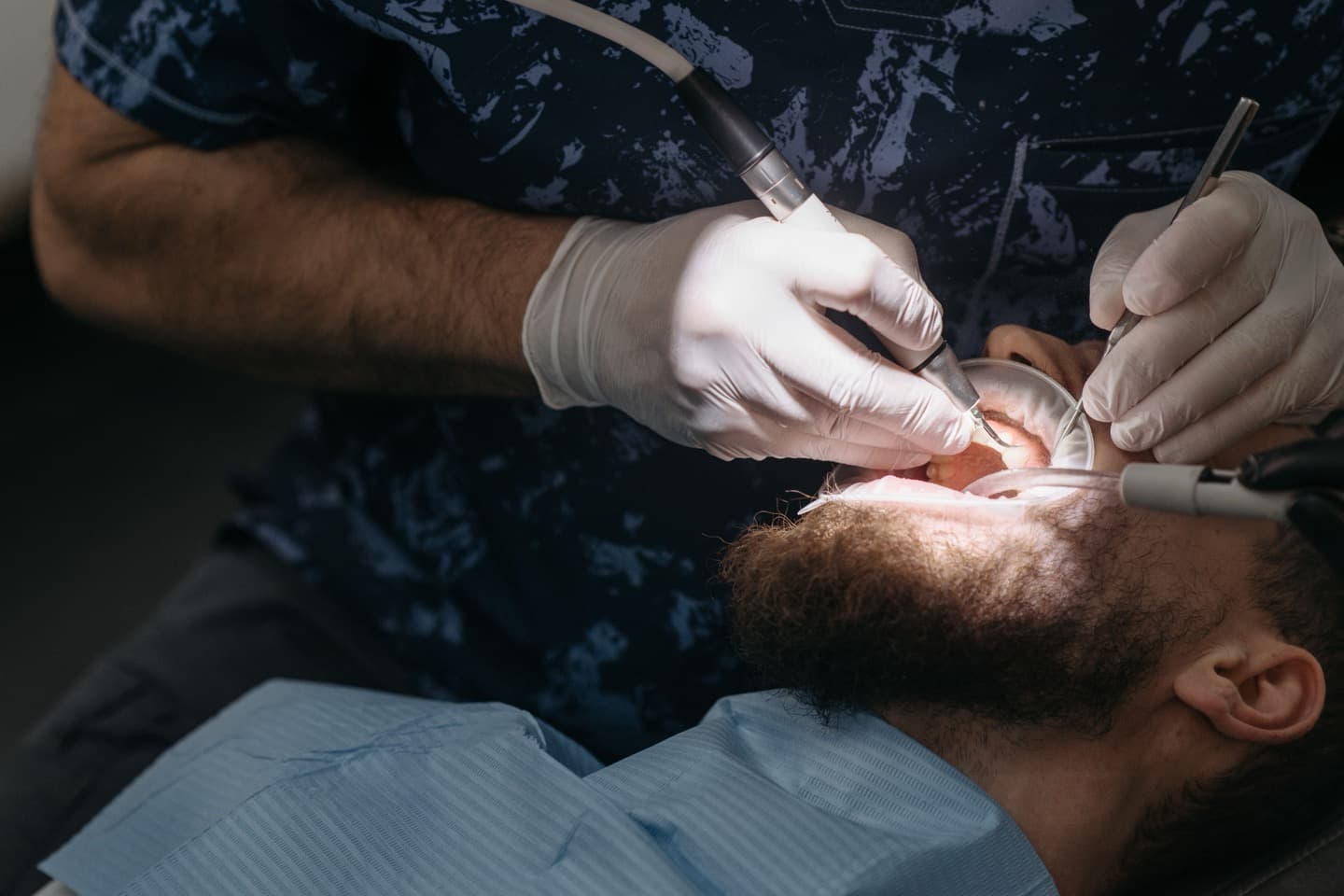
When Does TMJ (Jaw Joint) Pain Require a Dentist Visit?
August 31, 2026 · Dentist Büşra KayanClicking in the jaw joint, morning stiffness, or pain while chewing — these are actually quite common complaints. But the answer to "is this normal, or should I see a dentist" often isn't obvious.
In this article, I explain how common temporomandibular joint disorder (TMJ/TMD) is, its symptoms, its causes, what you can do at home, and when it's worth scheduling an exam without waiting — based on guidance from the American Dental Association (ADA) and Leeds Teaching Hospitals NHS Trust.
Key Takeaways
- According to Leeds Teaching Hospitals NHS Trust, temporomandibular disorder (TMD) is common enough to affect about 1 in 15 people in the UK.
- The same source notes that symptoms usually improve on their own over time in most patients, though they can worsen during stressful periods or with poor sleep.
- According to the ADA, the most common symptoms include jaw pain, discomfort while chewing, headaches, and jaw clicking or locking when opening the mouth.
- The ADA's approach is clear: "less is often best" — in most cases, the first step is simple measures like soft foods, heat application, and relaxation techniques.
- If pain becomes persistent, interferes with daily life, or the jaw locks, it's recommended to have it evaluated at an exam.
How Common Is TMJ (Jaw Joint) Disorder?
According to Leeds Teaching Hospitals NHS Trust's patient information, temporomandibular disorder (TMD) affects about 1 in 15 people in the UK (Leeds Teaching Hospitals NHS Trust, "Temporomandibular Disorders (TMD)," retrieved 2026-08-31).
So the occasional stiffness or clicking you feel in your jaw isn't a rare exception — it's a category of discomfort a lot of people experience, and one that's usually not serious.
This takes TMJ disorder out of the "just an aging-related wear issue" bucket — as the Leeds NHS Trust source also emphasizes, triggers like stress and sleep patterns can affect people at any age (Leeds Teaching Hospitals NHS Trust, ibid.).
What Are the Symptoms?
According to the ADA's patient guidance, the most common symptoms include jaw pain and fatigue, facial tenderness, pressure near the ears, pain when chewing, morning jaw tightness, frequent headaches, and the jaw shifting to one side or locking when opening (ADA MouthHealthy, "Temporomandibular Joints (TMJ)," retrieved 2026-08-31).
The Leeds NHS Trust source adds joint clicking, cracking, or popping, and notes that pain can sometimes spread from the cheek toward the neck (Leeds Teaching Hospitals NHS Trust, ibid.).
The same source notes that TMD can be accompanied by other conditions such as migraine or fibromyalgia (Leeds Teaching Hospitals NHS Trust, ibid.). If you have other chronic pain complaints alongside jaw pain, it's worth mentioning that to your dentist at the exam.
Why Does It Happen?
According to the ADA, possible causes include arthritis, jaw joint dislocation, injury, teeth/jaw alignment issues, and stress-related teeth grinding or clenching (ADA MouthHealthy, ibid.).
The Leeds NHS Trust source emphasizes that a single cause usually isn't the full explanation: stress, poor sleep, and overall health can play a role together. It also notes that teeth grinding/clenching (bruxism) doesn't trigger TMD directly, but can worsen existing symptoms (Leeds Teaching Hospitals NHS Trust, ibid.).
The same source explains that the cartilage disc inside the joint can slip out of place (disc displacement), and that this is a common cause of the clicking or popping sound heard when opening the mouth (Leeds Teaching Hospitals NHS Trust, ibid.). So that sound you're hearing isn't necessarily a sign of serious damage — it's a common finding related to how the joint works mechanically.
The Good News: It Usually Improves on Its Own
According to the Leeds NHS Trust source, TMD usually isn't serious, and symptoms improve within a few months for most patients — though they can come back from time to time (Leeds Teaching Hospitals NHS Trust, ibid.).
The ADA shares a similar approach: with a "less is often best" philosophy, the first step in most cases is simple, reversible measures (ADA MouthHealthy, ibid.). This doesn't mean every case of jaw pain needs extensive treatment.
What Can You Do at Home?
Simple approaches recommended by the ADA include eating soft foods, avoiding chewing gum, managing pain with heat application, and relaxation techniques like meditation (ADA MouthHealthy, ibid.).
The Leeds NHS Trust source similarly notes that applying a heat pack to the painful area for 10-15 minutes, twice a day, can help increase blood flow and relax the muscles (Leeds Teaching Hospitals NHS Trust, ibid.).
If needed, a dentist may recommend exercises, muscle relaxants/pain relievers, or a night guard (ADA MouthHealthy, ibid.). Which of these steps fits you becomes clear after an exam.
Is There a Connection to Teeth Grinding (Bruxism)?
As I explained in "How Does Nighttime Teeth Grinding (Bruxism) Affect Your Gums?", persistent clenching or grinding can tire out the muscles around the jaw joint, which can show up as morning jaw stiffness or discomfort near the ears.
As the Leeds NHS Trust source also notes, bruxism isn't the sole cause of TMD, but it's a factor that can worsen existing symptoms (Leeds Teaching Hospitals NHS Trust, ibid.). So if you have both jaw pain and a nighttime grinding habit, it's worth evaluating the two together.
When Should You See a Dentist?
The ADA recommends seeing your dentist if you're regularly experiencing facial or jaw pain; the exam checks the joints and muscles for tenderness, clicking, popping, or difficulty moving (ADA MouthHealthy, ibid.).
The distinction below offers a rough framework for what to do in which situation:
- Can wait: occasional, short-lived mild stiffness or painless clicking
- Needs a prompt exam: persistent or recurring pain, jaw locking or being unable to fully open your mouth, discomfort that interferes with daily eating or speaking
- Extra attention: jaw pain accompanied by other chronic pain complaints (headaches, migraine)
Bottom Line
TMJ disorder is quite common and usually not serious — it can improve over time with simple home measures. But if the pain becomes persistent, interferes with daily life, or the jaw locks, having it evaluated at an exam is the safest approach.
Frequently Asked Questions
My jaw joint clicks but doesn't hurt — is something wrong?
Painless clicking or noise on its own isn't always a concern, but if it's accompanied by other symptoms like pain or locking, it's worth having it evaluated at an exam.
Does TMJ disorder go away on its own?
Symptoms improve on their own over time in most patients, but they can recur during stressful periods or with sleep problems.
Does it occur in children too?
TMD is more common in adults, but it can also occur in children and teens; a child with jaw pain or noise complaints should also be evaluated at an exam.
Does a night guard help with TMJ pain?
For TMJ symptoms linked to bruxism, a night guard is one of the options a dentist might recommend; whether it fits your case is assessed at an exam.